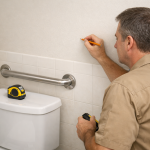
I’ve spent years helping families navigate the journey of aging in place. One thing I see over and over is how one simple addition can transform a home from risky to secure.
Installing grab bars is one of the most effective ways to improve bathroom safety for seniors and reduce fall risk in high-use areas.
Often, the first warning sign is subtle—a hand reaching for a towel bar, a wall corner, or the edge of a sink for balance. These early signs are exactly why bathroom fall hazards should be addressed before an actual fall occurs.
One in four older adults experiences a fall each year, making falls the leading cause of injury among seniors. Though, I’ve also seen how the right safety measures can prevent these accidents.
When it comes to support bars, they do more than prevent falls. They restore confidence and preserve the dignity that comes with independent living.
“Grab bars can help maintain independence while reducing the risk of falls and costly emergency room visits.”
When I talk with adult children of aging parents, they often feel overwhelmed by safety concerns. Installing wall-mounted safety bars offers an immediate, affordable solution that provides peace of mind for the entire family.
Before deciding where to install grab bars, it helps to understand exactly how these simple devices work and why they’re so effective at reducing fall risk at home.
table of Contents
What are Grab Bars?
Grab bars are sturdy, wall-mounted devices designed to provide stability and assistance during daily activities. Unlike decorative towel bars or furniture, these specialized safety bars can support substantial weight—typically a minimum of 250 lbs. (114-kg) when properly installed.
Grab bars for seniors are one of the most effective ways to reduce fall risk at home, especially in high-risk areas like bathrooms, stairways, and entry points.
How Do They Help?
What purpose do grab bars serve?
- providing support during transfers (getting in and out of the shower)
- aiding balance when walking or using stairs
- replacing unsafe habits like grabbing towel bars or furniture
Who benefits the most from support bars?
- seniors with balance issues
- individuals with arthritis
- people recovering from illness or surgery
Once aware of the benefits, many homeowners include grab bars as part of a larger aging in place remodeling plan for improving senior safety.
Nevertheless, I always recommend that families consider installation before problems arise. Proactive planning is more effective than reactive measures after a fall occurs.
These safety devices must meet ADA compliance standards, ensuring they can withstand significant force. Consequently, proper installation becomes critical for effectiveness and safety.
Types of Grab Bars
Wall-Mounted Grab Bars
Wall-mounted support bars represent the gold standard for bathroom and home safety. These permanently installed devices offer maximum stability and durability and are recommended for high-use areas near showers and toilets.
They also come in various lengths and finish to match existing bathroom décor. Textured or knurled finishes are also available for better grip under wet conditions.
Suction-Cup Mounts
Suction grab bars for showers provide temporary or light-duty use at best—usually the choice of renters or those visualizing permanent placement options.
However, I must emphasize to use caution with these devices. While convenient, they don’t offer the same reliability as permanently mounted grab bars for seniors.
Flip-Up Models
A flip-up grab handle works brilliantly in tight bathroom spaces. These ingenious devices fold against the wall when not needed, maximizing accessibility.
They’re a great option for households considering bathroom renovations for seniors, that are also going to be used by younger family members.
Angled and Corner Grab Bars
Angled grab bars provide ergonomic support during transitions. These specialized supports follow the natural arc of movement when sitting or standing.
Corner-mounted versions work particularly well in shower enclosures where space is limited.
Floor-to-Ceiling Transfer Poles
Transfer poles extend from floor to ceiling without requiring wall mounting. These vertical stand-alone models work well in bedrooms and living rooms.
They’re also ideal for rental properties where permanent installation isn’t possible.
With so many grab bar designs available, it can be hard to know which one fits best. This chart breaks down the main types of grab bars and where they’re most effective.
Grab Bar Types and Best Locations
| Type of Grab Bar | Best Use Location |
|---|---|
| Wall-mounted grab bars | Bathroom (showers, toilets), hallways |
| Suction-cup grab bars | Temporary setups, travel, rentals |
| Flip-up grab bars | Compact bathrooms, shared spaces |
| Angled/corner grab bars | Showers and bath enclosures |
| Floor-to-ceiling transfer poles | Bedrooms, living rooms, beside beds |
Choosing the right type of grab bar is only half the equation. Proper placement throughout the home is what truly makes these safety devices effective.
Room-by-Room Grab Bar Placement Guide
Strategic Placement for Comprehensive Safety Coverage
“We hadn’t installed grab bars in my mother’s home—for all the familiar reasons. She didn’t see herself as old, and truthfully, neither did we. Maybe we were avoiding what it meant to accept that part of aging. I’m not sure. But after she passed away from a fall in her bathroom, that hesitation haunted me. It’s why I now believe in acting early, not after something happens.”
In the Bathroom
Grab Bars for Shower
I suggest installing wall-mounted bars both inside and outside the shower entrance.
Horizontal shower safety bars along the back wall provide stability while washing, particularly in roll-in showers designed for accessibility.
While a vertical bar near the shower controls offers support when reaching for faucets or shampoo.
Tub Area Support
Grab bar supports should also be placed where you enter and exit the tub, especially when paired with a walk-in tub that’s been designed for safer bathing.
A grab handle provides the most natural grip angle when stepping over the tub edge. You could also consider a long horizontal bar along the tub’s back wall for seated bathing support.
Toilet Area Support
Toilet support bars can be installed horizontally or vertically, depending on individual needs. For a more focused look at this setup, including frames and rail options, see this guide to grab bars for toilet support.
I often suggest both a horizontal bar for sitting and standing assistance, plus a vertical bar for additional balance support.
Toilet rails should be positioned 33 to 36 inches from the floor for optimal accessibility.
Bathroom Entrance Support
Installing safety support bars near the bathroom entrance helps with the transition from hallway to potentially slippery bathroom surfaces.
This placement is especially valuable during nighttime bathroom visits.
Hallway and Stairway
Long hallways benefit from grab rails or continuous support bars, especially in homes where balance issues are a concern.
I suggest installing them at standard handrail height, or 34 to 38 inches high, along one wall. Moreover, ensure adequate lighting accompanies these installations.
At hallway corners and turns, bar supports are crucial for safely enabling directional changes. These transition points often catch seniors off-guard, making support rails essential.
Stairway Grab Bars
Staircases require grab bars for seniors at both the top and bottom landings. Additionally, continuous handrails along the entire staircase provide ongoing support.
Stairway support bars must be securely mounted to wall studs due to the extra force applied during stair navigation.
In the Bedroom
Bedside Support
Bedroom safety bars typically take the form of transfer poles or wall-mounted bars beside the bed.
These devices provide essential support when getting in and out of bed, particularly during nighttime bathroom trips. Floor-to-ceiling poles work exceptionally well because they don’t require wall mounting.
I suggest positioning bar supports on both sides of the bed when space permits. This arrangement ensures support regardless of which side the senior exits the bed.
This can also be invaluable for individuals with arthritis or joint stiffness that’s typically worse in the morning.
Bedroom Entrance Areas
Installing support bars near bedroom doorways helps with transitions between rooms. These placements prove particularly useful for seniors who use walking aids such as rollators.
“We tend to overlook the inconveniences that come with owning pets, and maybe that goes for the challenges and risks as well. I have heard from several seniors that grab bars placed near the entrance to the home provide extra stability and overall confidence—especially when dealing with a rambunctious pet on a leash.”
Entryway Grab Bars
Front and back door
Front and back door areas benefit greatly from support bars.
Installing them both inside and outside these entrances provides support when navigating steps or threshold transitions.
They also prove to be useful when carrying groceries or packages.
I suggest combining bars in the entryway with improved lighting and non-slip surfaces. This comprehensive approach creates a safer entrance experience.
You should also consider the visual appeal—today’s grab bars come in attractive finishes that complement home décor.
No matter where grab bars are installed—bathroom, hallway, bedroom, or entryway—the most important factor is how securely they are mounted.
Do Grab bars Need to be Installed into Wall Studs?
The short answer—yes! For grab bars to do what they were designed to do—safely support body weight—they must be securely anchored into wall studs or reinforcement blocking.
The purpose of reinforcement blocking is to serve as an anchor point, as well as transfer any force applied to the grab bar back into the original stud. This type of anchor reinforcement is a common upgrade with bathroom renovations for seniors especially where grab bars are installed.
Proper mounting ensures the grab bar can withstand at least 250 lbs. of pressure, which is the standard recommended for safety installations.
Grab bars aren’t just for bathrooms—they can be placed throughout the home to make daily routines safer. Here’s a room-by-room guide to the most effective placements.
Grab Bar Placement
| Room | Recommended Placement | Purpose |
|---|---|---|
| Bathroom | Shower walls, near tub, beside toilet | Prevent slips during hygiene tasks |
| Hallways | Along walls, at turns or corners | Maintain balance while walking |
| Stairways | Top/bottom landings, continuous handrail | Support while climbing or descending |
| Bedroom | Beside bed, at doorways | Support when getting in/out of bed |
| Entryways | Near interior and exterior doors | Assist when entering, exiting, or carrying items |
Thinking beyond the bathroom ensures seniors have steady support wherever they need it most.
Prevent Serious Injuries and Maintain Independence
When Is the Right Time to Install Grab Bars?
After a Fall or Close Call
Following any fall or near-miss incident, I strongly suggest immediately installing grab bars for seniors. These events often signal declining balance or strength.
It’s always wise to act before an accident occurs.
Increasing Furniture Dependence
When seniors begin relying on walls, furniture, or countertops for support, grab bars become immediately necessary. This behavioral change indicates growing balance concerns that proper support rails can address safely.
New Mobility Aid Introduction
The introduction of canes, walkers, or wheelchairs signals an appropriate time for support bars. These devices work together to create a comprehensive safety system throughout the home.
Vision or Balance Changes
Declining vision or increasing balance issues make grab bars for seniors essential safety equipment. Even minor changes in these areas can significantly impact fall risk, making proactive installation crucial.
Not sure if it’s time to add grab bars? These common warning signs can help you decide when extra support is needed.
When to Consider Grab Bars
| Sign or Trigger | Why It Matters |
|---|---|
| Recent fall or near-miss | Indicates declining balance or awareness |
| Holding onto furniture for support | Signals a need for fixed stability features |
| Using a new mobility aid (e.g. cane, walker) | Grab bars can extend safety coverage throughout home |
| Change in vision or dizziness | Increased fall risk requires proactive support |
Installing grab bars proactively is one of the simplest ways to stay safe at home.
Installation
DIY vs Professional
Installation Considerations
Some grab bars can be installed by handy homeowners, but this approach requires careful attention to wall reinforcement and proper mounting techniques. Grab bars must be secured to wall studs or reinforced with blocking to ensure adequate strength.
I always caution against using hollow wall anchors alone for bar supports. These mounting systems cannot provide the (250 lbs.) minimum support requirement.
Furthermore, improper installation can create a false sense of security that proves dangerous during emergencies.
Professional Installation Benefits
Licensed contractors or CAPS-certified aging-in-place specialists understand the specific requirements for grab bars for seniors.
They ensure proper wall reinforcement, optimal placement, and code compliance. Professional installation often comes with warranties that provide additional peace of mind.
Professional installers can also assess the overall home safety picture and recommend additional bar supports for locations that families might overlook.
This comprehensive approach proves more effective than piecemeal installations. CAPS-certified professionals understand aging-in-place principles and can assess your home holistically.
Avoid these Common Mistakes
Using Towel Bars as Support
The most dangerous mistake involves using towel bars or toilet paper holders for physical support. These decorative fixtures cannot support body weight and will fail during emergencies.
I’ve seen the injuries that can result from this misconception.
Incorrect Height Installation
Installing safety bars at inappropriate heights reduces their effectiveness. Standard placement ranges from 33—38 inches from the floor, but individual needs may vary.
Therefore, I recommend measuring based on the primary user’s height and mobility requirements.
Inadequate Wall Reinforcement
Skipping proper wall reinforcement represents a critical error in grab bars installation. Without solid mounting to wall studs or adequate blocking, even the highest-quality grab bars will fail when needed most.
Blocking Access with Accessories
Hanging towels, toiletries, or decorative items on dedicated support bars defeats their safety purpose. These devices must remain clear and accessible at all times.
I suggest installing separate towel bars or hooks nearby for accessories.
Small Upgrade—Big Peace of Mind
Grab bars represent one of the most cost-effective safety improvements available for homeowners planning broader aging-in-place remodeling upgrades.
These simple devices provide tremendous peace of mind while supporting continued independence at home.
I consistently encourage families to plan proactively rather than reactively when it comes to grab bars. Early installation allows seniors to become comfortable with these devices before they become absolutely necessary.
Furthermore, today’s grab bars come in attractive designs that blend seamlessly with modern home décor. The investment in support bars pays generous dividends in safety, confidence, and independence.
Installing grab bars offer an immediate way to reduce fall risk without major renovations and are often part of broader home modifications for seniors aimed at increasing confidence.
Additionally, they often provide the security needed to delay or avoid more costly care alternatives.
Frequently Asked Questions About Grab Bars for Seniors
Where should grab bars be installed in a home?
Grab bars should be installed in high-risk areas such as bathrooms (next to the toilet, inside and outside the shower or tub), stairways, and entryways. Placement should support natural movement and balance during everyday activities.
What is the proper height for grab bars?
Most grab bars are installed between 33 and 36 inches from the floor, but the ideal height depends on the user’s mobility and reach. Custom placement is often the safest option.
Can grab bars be installed without drilling?
Some grab bars use suction or tension mounting, but these are generally not recommended for long-term safety. For reliable support, securely mounted grab bars anchored into wall studs are the safest choice.
How do I know if a grab bar is installed safely?
A properly installed grab bar should feel solid, with no movement or flex when weight is applied. If there is any looseness, it should be checked and reinforced immediately.
Final Thoughts
Remember that support bars work best as part of a comprehensive safety plan that includes good lighting, non-slip surfaces, and regular home safety assessments.
By being proactive, families can create environments that support aging in place safely and comfortably for years to come. The peace of mind that comes from properly installed grab bars benefits the entire family.
These simple additions show that maintaining independence doesn’t require sacrificing safety—a message that resonates with seniors and their loved ones alike.
Grab bars often work best alongside other bathroom safety upgrades such as roll-in showers and walk-in tubs, especially for seniors planning long-term accessibility improvements at home.
Want to keep exploring? Here are some related articles: