For years now I’ve committed myself to creating safer living spaces for the elderly.
In that time, I’ve seen firsthand how a shift in mindset to bathroom safety for seniors can dramatically improve their quality of life. I’ve also seen the consequences of not prioritizing bathroom safety—and they’re often avoidable.
The bathroom is one of the smallest rooms in the home, yet it presents some of the biggest dangers for older adults. Slippery floors, sharp corners, and hard surfaces turn everyday routines into high-risk activities.
With smart upgrades like grab bars or a walk-in tub, bathrooms become safer and more accessible. This guide looks at practical safety upgrades you can implement right away—whether you’re making small changes or planning larger improvements.
Falls in the home represent one of the most serious health threats to seniors today. Fall prevention doesn’t stop in the bathroom—it extends to stairs, entryways, and the overall layout of your home.
For many seniors, combining a safer home environment with the right mobility support—such as a rollator walker—can make everyday movement far more stable and confident.
Because the bathroom is one of the highest-risk areas for falls, it’s often the first place to focus when creating a safer home environment for aging in place.
Why Bathroom Safety Matters for Seniors
Each year, millions of older adults experience falls—with many of these accidents happening in the bathroom. These incidents can lead to a devastating loss of independence from broken bones, head injuries, and possibly worse.
An elderly adult who falls—even one without injury—may become fearful and begin limiting their activity. That in itself can lead to further physical and mental decline.
The good news is that most bathroom accidents can be prevented with thoughtful upgrades—especially when planning bathroom renovations for seniors.
“Installation Warning: A grab bar is only as safe as its anchor—rating means nothing if it rips from the wall during a fall.”
Creating a safer bathroom isn’t only about installing grab bars—it’s about building confidence. When seniors feel secure in their bathroom routines, they maintain better hygiene habits and preserve their dignity and independence.
Essential Bathroom Safety Upgrades for Seniors
Strategic Grab Bar Placement for Enhanced Support
“A grab bar’s weight rating is only part of the equation. If it rips out of the wall during a fall, the rating alone won’t matter. Safe installation depends on secure anchoring—not suction cups, double-sided tape, or popular adhesives—no matter the claims. For true safety, consult a contractor experienced in aging-in-place modifications.”
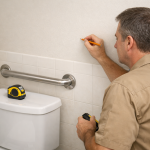
Grab bars provide crucial stability in areas where balance might be compromised.
If you’re unsure about placement or installation, it helps to review a complete guide to grab bars for seniors. I recommend installing them in these key locations:
- Near the toilet for sitting and standing assistance
- Inside the shower area for stability while bathing
- Along bathtub walls to help with entry and exit
Look for bars that can support at least 250 pounds. Make sure they’re anchored securely into wall studs, not just drywall.
I’ve seen too many poorly installed grab bars rip away from the wall when needed most.
Modern, Stylish Options That Don’t Scream “Clinic”
Today’s grab bars have come a long way from the institutional-looking models of the past. Many now come in stylish finishes that complement modern bathroom décor.
Some models even serve double duty as towel racks. This dual functionality helps maintain a stylish bathroom while adding necessary safety features.
Choosing bars with a knurled finish combined with proper grab bar placement, effectively provides the surest grip. This is especially practical since hands are often wet in bathroom environments.
Installing properly positioned grab bars for seniors is one of the most effective ways to reduce fall risk in the bathroom.
And while safety bars provide effective support, they’re only one part of a safe bathroom. The bathing area itself often presents the highest risk.
Many of these upgrades work even better when paired with the right assistive devices for seniors designed to support daily routines.
Safer Bathing Solutions for Aging in Place
Walk-In Tubs and Zero-Entry Showers
For those who struggle stepping over a traditional tub, a walk-in tub can significantly reduce the risk of slips and falls. Traditional bathtubs require stepping over high edges—a movement that puts seniors at significant risk for trips and falls.
In any renovation for a senior’s bathroom, I would recommend:
- A walk-in tub with a watertight door that allows easy entry and exit without climbing.
- A barrier-free roll-in shower that is accessible to wheelchairs and rollators.
A roll-in shower eliminates thresholds entirely, making it one of the safest bathing options available.
Many are surprised to find that these accessibility upgrades often enhance the overall look and feel of the bathroom.
Must-Have Bathing Accessories
A hand-held showerhead adds flexibility and convenience for seniors. It allows for seated showering and helps reach difficult areas without stretching or bending.
I’ve found that adding a shower bench or seat provides a place to rest during longer showers. This simple addition reduces fatigue and the risk of falling due to weakness or dizziness.
For many seniors, these tools transform bathing from a stressful, risky activity into a relaxing, dignified experience.
Wondering which bathroom upgrades make the biggest difference for safety and comfort? Here’s a quick comparison of popular bathing solutions to help you see which might fit your needs best.
Bathing Safety Upgrades Compared
| Upgrade | Safety Benefit | Best For |
|---|---|---|
| Walk-In Tub | Eliminates high step-over; reduces fall risk | Seniors with limited balance or joint issues |
| Zero-Entry Shower | No threshold; wheelchair accessible | Mobility device users or those planning ahead |
| Shower Bench/Seat | Allows resting while bathing; reduces fatigue | Anyone with stamina or balance concerns |
| Hand-Held Showerhead | Adds flexibility; safe for seated bathing | Seniors with limited mobility or caregivers assisting |
PetersHomeGuide.com
Each of these upgrades can stand on its own, but together they create a bathroom that feels safer, more comfortable, and ready for the years ahead.
Many of these improvements are part of broader bathroom renovations for seniors designed to improve safety and accessibility.
Floor Safety Improvements to Prevent Slips
Non-Slip Flooring Options
Bathroom floors become extremely slippery when wet. I always suggest replacing smooth surfaces with textured, non-slip alternatives. Good options include:
- Textured vinyl flooring
- Slip-resistant ceramic tiles
- Cork flooring
- Rubber flooring
These materials provide better traction even when wet, reducing slip hazards significantly. Many of these options now come in designs that mimic luxury materials while providing superior safety.
Smart Use of Bath Mats and Traction Strips
Consider placing non-slip mats both inside and outside the shower or tub. Look for mats with rubber backing that won’t slide when stepped on.
For areas that remain slippery, I often apply adhesive non-slip strips. These provide extra traction in high-risk zones without being visually obtrusive.
Which flooring and slip-prevention options truly reduce hazards in the bathroom? This chart highlights the most effective solutions and who benefits most.
Safe Flooring & Slip-Prevention Options
| Option | Key Benefit | Best For |
|---|---|---|
| Textured Vinyl Flooring | Affordable, water-resistant, good traction | Budget-friendly upgrades |
| Slip-Resistant Ceramic Tile | Durable, stylish, easy to clean | Long-term renovations |
| Cork Flooring | Soft underfoot, warm feel, eco-friendly | Seniors with joint pain |
| Rubber Flooring | Maximum slip resistance, cushioned surface | High-risk fall prevention |
| Non-Slip Mats & Adhesive Strips | Quick fix for slippery areas | Immediate low-cost safety boost |
PetersHomeGuide.com
Small changes underfoot can make the biggest difference. With the right surfaces and slip-prevention tools, seniors can move confidently and safely in one of the most accident-prone rooms of the home.
For many seniors, one of the earliest and most effective upgrades is adding grab bars for toilet support to make sitting and standing safer and more controlled.
Height Adjustments for Safer Bathroom Use
Comfort-Height Toilets
Standard toilets sit about 15 inches from the floor. This low height forces seniors to lower themselves significantly and then rise from a deep-seated position.
I’ve installed comfort-height toilets that stand 17—19 inches tall. This extra height makes sitting down and standing up much easier on the knees and back. It’s one of those upgrades that no one regrets.
“Dignity Through Design: The right upgrades don’t just improve safety—they protect independence and dignity too.”
The difference even a few inches make can be remarkable. Many seniors report less strain and more confidence when using these ergonomically sized fixtures.
Accessible Vanities and Sinks
Traditional vanities often require uncomfortable bending to access the sink. I recommend raising vanity heights to reduce back strain.
Wall-mounted sinks can accommodate manual wheelchairs by providing clearance underneath. Floating vanities offer similar benefits while providing needed storage space.
Proper Lighting for Enhanced Visibility and Safety
Bright and Even Illumination
Poor lighting can hide potential hazards.
Something I always recommend is to install bright, energy-efficient LED lights that fully illuminate every corner of the bathroom. Eliminating shadows by using multiple light sources makes a tremendous difference in safety.
I would also suggest task lighting around the vanity and shower areas for better visibility during specific activities.
“Light as Prevention: Good lighting doesn’t just improve visibility—it removes hidden hazards before they become accidents.”
The impact of proper lighting on bathroom safety cannot be overstated—many hazards simply disappear when properly illuminated.
Motion-Activated Lighting
Motion-sensor lighting automatically turns on when someone enters the bathroom.
This feature is especially helpful during late night bathroom visits. Seniors won’t need to fumble for light switches in the dark. These systems save energy while providing immediate illumination when needed.
I’ve had adult children tell me this simple upgrade gave them enormous peace of mind about their parents’ late night bathroom trips.
Protecting Sensitive Skin from Burns
Anti-Scald Protection
As we age, our skin can become more reaction-sensitive to heat. Conversely, some seniors may have reduced temperature sensitivity.
One suggestion I always make is installing anti-scald devices that prevent water from exceeding safe temperatures. These simple attachments can be installed on faucets, showerheads, and tub spouts.
Preset Temperature Controls for Consistency
I also recommend installing preset temperature controls that maintain consistent water temperatures. These systems eliminate the need to adjust hot and cold knobs for each use.
They provide reliable, safe water temperatures every time. This can be an important bathroom safety feature for seniors who may have diminished sensation or judgment.
User-Friendly Fixtures for Arthritic Hands
Bathroom safety is just one part of a larger strategy involving home modifications for seniors to reduce fall risks throughout the house.
Lever-Style Handles
Standard doorknobs require gripping and twisting. Seniors with arthritis or diminished hand strength may struggle with this motion.
I always recommend lever-style handles that can be operated with less grip strength. Even the side of a hand or wrist can push these handles if necessary.
Touchless Technology
Touchless faucets eliminate the need to grip or turn anything. These fixtures work with a simple wave of the hand.
I’ve found this technology is particularly helpful for those with severe arthritis or limited dexterity. Touchless soap dispensers offer similar benefits.
Accessible Storage Solutions for Everyday Items
Waist-Level Organization Prevents Straining
Storing items at waist height reduces the need for reaching high or bending low. I install shelving at accessible heights for frequently used items.
Consider pull-out drawers rather than deep cabinets. These make it easier to see and reach items stored in the back.
Shower Storage Improvements
Wall-mounted dispensers for soap, shampoo, and conditioner eliminate the need to handle slippery bottles. I place these dispensers at comfortable heights.
They reduce clutter on shower floors and minimize bending to retrieve dropped items—making daily routines safer and easier.
Even with the right upgrades, it’s important to plan for unexpected situations. For multi-level homes, fall prevention must also address stairs, where solutions like a staircase lift can significantly reduce risk.
Emergency Preparedness Features for Peace of Mind
Alert Systems Within Reach
Waterproof emergency call buttons can be lifesaving during a bathroom emergency. These devices allow seniors to call for help if they fall or become ill. I always suggest installing systems that can be mounted on walls within easy reach from the floor.
✔️ Bathroom Emergency Prep Checklist
- ☑️ Install waterproof emergency call buttons near the toilet and shower
- ☑️ Choose a wearable medical alert device that works in the bath or shower
- ☑️ Keep a waterproof phone or wall-mounted intercom system within reach
- ☑️ Test alert systems monthly to ensure they’re working correctly
- ☑️ Share emergency contact numbers with neighbors or caregivers
PetersHomeGuide.com
Wearable Safety Devices That Work While Bathing
I recommend waterproof medical alert pendants or wristbands that provide protection throughout the home. These devices work in the shower or bath, where many accidents occur.
They offer peace of mind for both seniors and their loved ones.
Accessible Communication Options
I suggest keeping a waterproof phone in the bathroom or installing an intercom system. These tools provide a way to call for help during emergencies when other devices might not be within reach.
“Sometimes, the importance of bathroom safety becomes clear in the hardest way. My mother passed away after a fall in her bathroom—an accident none of us anticipated. At the time, we hadn’t prioritized safety features like grab bars or non-slip flooring. It wasn’t about neglect—it was mindset. She was living independently, and we didn’t see her as “old” or someone who needed those changes yet.
That was a mistake. What I’ve learned since then is that bathroom safety isn’t about reacting to age—it’s about planning ahead. Safety starts before the fall, not after.”
Creating a Complete Senior Bathroom Safety Plan
Making bathroom improvements works best when integrated with an overall strategy of home modifications for seniors.
I often suggest hiring an occupational therapist to evaluate specific needs. They can recommend personalized modifications based on individual abilities and limitations.
Regular safety checks help maintain a secure environment.
Test grab bars periodically to ensure they remain securely mounted. Replace batteries in motion-sensor lights as needed.
Keep emergency systems in working order through regular testing.
The Gift of Independence and Dignity
Bathroom safety for seniors involves thoughtful planning and strategic improvements that provide security, comfort, and independence.
These upgrades are most effective when combined into a complete bathroom safety plan for aging in place.
The best approach combines physical modifications with practical daily habits. Together, these changes significantly reduce the risk of bathroom accidents.
By creating safer bathroom environments, we help our loved ones enjoy greater confidence and quality of life.
Final Thoughts
I’ve seen families transformed by these relatively simple changes. Adult children sleep better knowing their parents are safer, and seniors maintain their precious independence longer.
Bathroom safety improvements offer some of the highest returns on investment—measured not just in dollars, but in years of independence and peace of mind.
Want to keep exploring? Here are some related articles: