What does an aging in place specialist do—and do you really need one to make your home safer as you age?
If you’re planning to stay in your home long-term, working with an aging in place specialist can help you identify risks, plan smart upgrades, and create a living space that supports your independence.
Because the reality is that aging in place requires planning and expert guidance. Growing older at home successfully takes more than just wishful thinking or basic home repairs.
In simple terms, here’s what an aging in place specialist does:
An aging in place specialist helps identify safety risks, recommend smart home modifications, and adapt a living space so it stays comfortable, accessible, and practical over time.
They can help with everything from better lighting and grab bars to larger remodeling changes that support long-term independence.
Table of Contents
- What Does an Aging in Place Specialist Do?
- Why Hire an Aging in Place Specialist
- When Should You Hire an Aging in Place Specialist?
- Understanding Certifications and Qualifications
- Key Services an Aging in Place Specialist Provides
- Choosing the Right Aging in Place Specialist
- Understanding the Investment
- Frequently Asked Questions About Aging in Place Specialists
What an Aging in Place Specialist Helps With (Quick Overview)
- Identifies fall risks and safety hazards
- Recommends home modifications for seniors
- Improves accessibility in key areas like bathrooms and kitchens
- Plans for future mobility and health changes
- Coordinates upgrades and renovations
That’s the overview—but here’s how an aging in place specialist applies these changes in real homes.
What Does an Aging in Place Specialist Do?
An aging in place specialist focuses specifically on making homes safer, more accessible, and easier to live in as people grow older.
This makes them invaluable for aging in place home modifications—from simple grab bar installations to complete accessibility makeovers. These experts guide you through every step of the process.
They help you plan for changing needs over time.
Why Hire an Aging in Place Specialist
The real value is not just fixing hazards after they appear, but planning ahead so the home continues to work well as needs change.
“You might feel like you know your home better than anyone and, in many ways, you do. But that’s exactly why an aging-in-place specialist can be so valuable. The longer we live in the same space, the more we adapt to its quirks without even realizing it. We get used to the inconveniences and stop seeing them for what they really are—potential hazards. A certified aging-in-place specialist brings a fresh perspective, helping you spot challenges before they become real dangers as you age.”
Tailored Solutions for Unique Challenges
Every person ages differently. What works for your neighbor might not work for you.
That’s exactly why an aging in place specialist who takes time to understand each unique situation is so important.
They assess your routine movements and challenges through the home each day.
They watch as you climb stairs, enter the bathroom, and work in the kitchen.
They ask about future concerns. For example:
- Do you struggle with balance?
- Are you worried about vision changes?
These details matter.
The specialist then develops custom solutions that balance multiple factors. While safety comes first, they also consider:
- User comfort
- The functionality required
- Preferred aesthetics
After all, this is still your home, and you don’t want it to feel cold or clinical.
Expertise in Safety and Accessibility
An aging in place specialist stays current with the latest technologies, materials, and design techniques.
While the homeowner may believe a simple handrail is enough, the certified specialist will know about advanced options that hadn’t been considered.
They understand which materials provide the best grip, how to position supports for maximum effectiveness, and which smart home features can enhance your safety.
These professionals can also spot hidden hazards that could otherwise be missed. That slight step between rooms might become a major tripping hazard as mobility changes.
The lighting that seems adequate now might not provide enough illumination as the homeowner ages.
An aging in place specialist identifies these issues before they become problems.
Their expertise helps reduce the risk of falls and injuries. For a broader look at reducing fall risks throughout the home, see how to prevent falls at home for seniors.
According to research, falls are the leading cause of injury among older adults. But with proper modifications guided by a specialist, these risks can be significantly lower.
Is Hiring an Aging in Place Specialist Worth It?
For many seniors and families, the decision comes down to safety, planning, and peace of mind.
While some home upgrades can be done independently, an aging in place specialist brings experience that helps prevent costly mistakes and ensures your home is truly prepared for long-term living.
- Helps prevent falls and injuries before they happen
- Avoids costly renovation mistakes
- Creates a long-term plan—not just quick fixes
- Balances safety, comfort, and design
- Reduces the need for future emergency upgrades
When Should You Hire an Aging in Place Specialist?
You should consider hiring an aging in place specialist when daily tasks are starting to feel harder, when fall risks are becoming more obvious, or when you want to plan ahead before a health or mobility issue forces urgent changes.
Many people wait too long and end up making rushed decisions after an injury or hospitalization.
Understanding Certifications and Qualifications
What Is a CAPS Certification?
When looking for a specialist, make sure they have proper training.
The most recognized credential is CAPS, which stands for Certified Aging in Place Specialist. This designation comes through the National Association of Home Builders (NAHB).
A certified aging in place specialist with CAPS training understands universal design principles. These are design concepts that make spaces usable for people of all ages and abilities.
They also know about barrier-free layouts that eliminate obstacles in the home. Plus, they’re trained in cost-effective aging in place strategies that help get the most value from the investment.
The CAPS program covers important topics like how aging affects mobility, vision, and hearing. It teaches specialists about building codes related to accessibility.
Most importantly, it helps them understand the emotional aspects of aging in place and how to approach these conversations with sensitivity.
Additional Credentials to Look For
While CAPS certification is valuable, also look for other qualifications when choosing an aging in place specialist. Practical experience in home accessibility modifications is crucial.
You want someone who has actually completed similar projects, not just studied them.
Some specialists have backgrounds in occupational therapy, which gives them deep insight into how people function in their daily environments.
Others might have interior design experience specifically focused on senior living.
You should also check if they’re members of reputable organizations like the NAHB or other accessibility-focused groups.
Membership often means they stay current with industry developments and maintain professional standards.
Key Services an Aging in Place Specialist Provides
Comprehensive Home Assessments
An aging in place specialist’s first step is to conduct a thorough home assessment. This is not a quick walkthrough. Instead, they carefully evaluate every aspect of a living space that affects the occupant’s daily life.
They measure door widths to ensure they’re wide enough for mobility aids—in case they are needed later.
They examine flooring transitions between rooms, looking for trip hazards or surfaces that might be difficult to navigate. Lighting gets special attention because good illumination becomes increasingly important as we age.
Why Bathrooms Are Often the First Area to Modify
The bathroom receives particularly close scrutiny. The specialist checks the height of the toilet, the accessibility of the shower or tub, and the placement of towel bars and other fixtures.
In the kitchen, they evaluate counter heights, cabinet accessibility, and appliance placement.
Throughout this process, they’re not just looking at the current abilities of the person aging in place. They’re thinking ahead to how their needs might change over time.
This forward-thinking approach helps them make home modifications for seniors that will serve the occupants well for years to come.
Recommendations and Professional Installations
“It’s not just about comfort and convenience in the kitchen. Modifications like better lighting, smart appliances, and safer layouts also reduce fire risks. Simple changes can help prevent accidents like leaving the stove on or tripping while carrying hot food.”
After completing the assessment, the aging in place specialist or home safety expert provides detailed recommendations tailored to the situation.
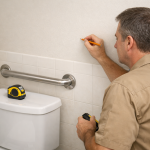
These might include simple additions like grab bars and handrails in strategic locations.
Or they might suggest more significant changes like a staircase lift or wheelchair ramp.
In many cases, an aging in place specialist will prioritize bathroom safety, entry access, and other core home modifications that reduce fall risk and make daily routines easier.
Bathroom renovations often top the priority list. A specialist might recommend converting the bathtub to a walk-in tub, or a roll-in shower, making it safer and easier to maintain hygiene independently.
They understand which shower designs work best for different mobility levels and can suggest features like built-in seating or multiple shower heads.
Kitchen modifications help the owner to continue cooking and maintain their nutrition. This might involve lowering countertops and cabinets to comfortable heights.
Or they might suggest pull-out shelves and drawers that bring items within easy reach.
Smart home technologies are increasingly popular recommendations. These can include automated lighting systems that eliminate the need to fumble for switches in the dark.
Emergency response systems provide peace of mind for senior occupants and their families. Some systems can even detect falls and automatically call for help.
Expert Project Management
One of the most valuable services an aging in place specialist provides is project management.
Home modifications can be overwhelming, especially when multiple contractors and installers are involved. A specialist coordinates all these moving parts.
They ensure that all modifications align with aging in place goals and personal preferences. They communicate with contractors to make sure everyone understands the specific requirements for accessibility features.
This coordination prevents costly mistakes and ensures the final result truly meets the occupants’ needs.
Additionally, the specialist helps manage timelines and budgets efficiently. They understand which modifications should be prioritized and which can wait.
This phased approach makes the process more manageable both financially and emotionally.
Choosing the Right Aging in Place Specialist
“While the CAPS designation is important, remember that an aging in place specialist can have other credentials and work experiences. Many come from the building trades and have a broad knowledge of construction and home systems. Others may have worked as handymen, gaining hands-on experience with installations, repairs, and working directly with homeowners. Some specialists also come from more focused backgrounds, like flooring, roofing, or accessibility products. Altogether, this mix of training and experience makes them even more qualified to help you modify your home safely and comfortably.”
Vetting Credentials and Experience
When selecting an aging in place specialist, or home modification professional, you need to do your homework.
First, confirm they have CAPS certification or equivalent qualifications. It can be verified through the NAHB website or by asking to see their credentials directly.
Also check their affiliations with respected organizations focused on aging in place and accessibility.
Membership in professional groups shows they’re committed to staying current with best practices and industry standards.
Experience matters tremendously. Ask how long they’ve been working specifically with aging in place modifications.
You will want to know about their most challenging projects and how they solved complex problems. The best specialists share specific examples that demonstrate their expertise.
Reviewing Portfolios and Client Testimonials
Before making your decision, ask to see examples of previous projects. Good aging in place specialists maintain portfolios with before-and-after photos that show the transformation they’ve achieved.
These visual examples will help you understand their design aesthetic and problem-solving abilities.
Client testimonials provide insight into their professionalism, empathy, and results. Pay attention to reviews that mention how well the specialist listened to concerns and communicated throughout the project.
Since aging in place modifications are deeply personal, you want someone who approaches the work with sensitivity and understanding.
Ask for references that can be contacted directly. Speaking with previous clients will give you the most honest assessment of what it’s like to work with this person.
The Consultation Process
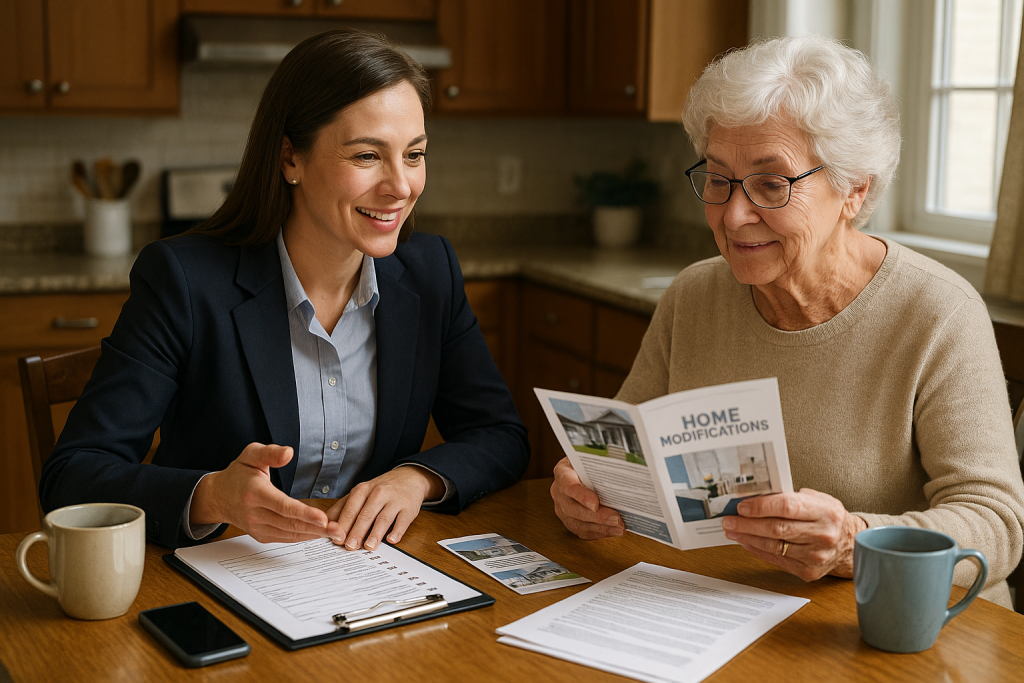
Most reputable aging in place specialists offer an initial consultation to discuss client goals, budget, and timeline. This meeting is crucial for both parties. It allows the homeowner to assess whether they truly understand their needs and concerns.
During the consultation, pay attention to how well they listen:
- Do they ask thoughtful questions about the daily routines and future concerns?
- Do they provide clear, tailored recommendations that make sense for your situation?
The best specialists take time to understand the client’s priorities and explain their suggestions thoroughly.
You can also use this meeting to discuss budget constraints openly. A good aging in place specialist helps to prioritize modifications based on both safety needs and financial considerations.
They should offer options at different price points and explain the long-term benefits of various investments.
Understanding the Investment
Typical Fees and Costs
Initial assessments may range from roughly $100 to $300, while full-service consultation or project-management support can cost significantly more depending on the scope, region, and complexity of the work.
While this might seem significant upfront, you need to consider the value these professionals provide. Their expertise can help avoid costly mistakes and ensure the modifications actually meet your needs.
The cost of actual modifications varies widely based on what the client chooses to implement. Simple additions like grab bars might cost a few hundred dollars. Major renovations like bathroom conversions or stairlifts can cost several thousand dollars.
The aging in place specialist will help to prioritize these investments based on the most pressing needs and available budget.
Long-Term Benefits and Value
When you consider the costs, also think about the long-term benefits of professional modifications. Proper aging in place modifications can prevent accidents that lead to expensive medical bills and hospitalizations.
The cost of a fall-related injury far exceeds the investment in prevention.
These modifications will also increase the home’s resale value through universal design principles. Features that help the client to age in place also appeal to buyers of all ages who value accessibility and convenience.
This means an investment today can pay dividends later.
Most importantly, professional modifications help to maintain independence longer. This reduces or delays the need for expensive assisted living or nursing home care.
When you consider that assisted living costs average $4,000 to $6,000 per month, investing in aging in place modifications makes tremendous financial sense.
Frequently Asked Questions About Aging in Place Specialists
What does an aging in place specialist do?
An aging in place specialist evaluates your home, identifies safety risks, and recommends modifications that make daily living safer and more accessible as you age.
What is a CAPS certification?
CAPS stands for Certified Aging in Place Specialist. It is a professional designation that indicates training in home accessibility, safety design, and aging-related needs.
When should you hire an aging in place specialist?
You should consider hiring one when mobility changes begin, fall risks increase, or when you want to plan ahead before making major home modifications.
Are aging in place specialists worth the cost?
Yes, they can help prevent costly mistakes, reduce injury risk, and create a long-term plan that supports independence—often saving money over time.
Final Thoughts
Hiring an aging in place specialist is a proactive step toward safer, more comfortable living at home. These professionals bring expertise you simply can’t get from general contractors or well-meaning family members.
Their specialized knowledge helps to make confident decisions about modifications that truly support the client’s quality of life. They understand both the practical and emotional aspects of aging in place.
Most importantly, they help ensure your home remains a welcoming, functional space that supports your independence as you grow older.
The decision to hire an aging in place specialist isn’t just about home improvements. It’s about taking control of your aging process and creating the foundation for continued independence and dignity in the place you call home.
With their guidance, you can face the future confidently, knowing your home will continue to support you through whatever changes lie ahead.
Done well, aging in place is not just about staying in your home longer—it is about staying there more safely, comfortably, and confidently.
If you’re planning safer, more practical upgrades, these related guides are a good next step: