Home is where we feel safest. It’s familiar, comfortable, and full of good memories. But for older adults, home is also where the majority of falls happen.
But there is good news. Many falls are preventable. Understanding how to prevent falls at home for seniors doesn’t have to feel overwhelming. This room-by-room guide breaks it all down.
Whether you’re a senior aging in place or an adult child looking out for a parent, this is the place to start.
Preventing falls at home is one of the most important steps seniors can take to maintain independence, reduce injury risk, and continue aging safely in place.
What are the most important steps you can take right away to reduce fall risk at home? This quick checklist highlights the essentials.
Quick Fall Prevention Tips for Seniors
| Action | Why It Helps |
|---|---|
| Install grab bars in key areas | Provides support during high-risk movements like sitting, standing, and stepping |
| Improve lighting throughout the home | Makes hazards easier to see, especially at night |
| Remove rugs and clutter | Eliminates common trip hazards in walkways |
| Wear proper footwear indoors | Improves traction and reduces slipping |
| Stay active and maintain strength | Supports balance, coordination, and stability |
These simple steps create a strong foundation for fall prevention—and they’re a great place to start before making more detailed changes throughout the home.
Why Fall Prevention Matters More Than You Think
Falls are one of the most serious health risks facing older adults. Every year, one in four adults over the age of 65 experiences a fall.
They are the leading cause of both fatal and non-fatal injuries among seniors. And here’s a sobering thought—once a person falls, their risk of falling again doubles.
Beyond physical injuries, falls often lead to a lasting fear of falling again. That fear causes them to move less, stay home more, and retreat from activities they once enjoyed.
Over time, reduced movement weakens muscles and balance, increasing fall risk and creating a difficult cycle.
But a fall does not have to be inevitable. Fall prevention for the elderly is one of the most well-researched areas in senior care, and the strategies genuinely work.
By making modifications to the home, small changes to daily habits, and focusing on physical fitness—the risks can be dramatically reduced.
More importantly, they protect something precious—the ability to stay in your own home. That independence is worth protecting and is exactly what senior fall prevention is all about.
The Most Common Causes of Falls at Home
Before we can prevent falls, we need to understand what causes them. Falls rarely have a single cause—they’re usually the result of multiple factors coming together.
Here are the most common causes of falls at home for seniors:
- Slippery floors—a common hazard
- Poor lighting in hallways, stairwells, and bedside
- Clutter on stairs, in doorways, and walkways
- Weak balance and reduced muscle strength
- Unsafe bathrooms and physically demanding transitions
- Medications that cause dizziness or drowsiness
- Reduced depth perception and difficulty seeing in low light
- Inappropriate footwear—socks, loose slippers, or worn-out shoes
The good news is that most of these risks are fixable. Improving home safety starts with identifying and addressing these hazards one by one.
What are the biggest fall risks hiding in plain sight around the home? This quick chart highlights the most common hazards, why they matter, and what you can do right away to reduce the danger.
Common Fall Risks at Home
| Risk Factor | Why It’s Dangerous | Quick Fix |
|---|---|---|
| Slippery floors | Reduce traction and increase the chance of sudden slips | Use non-slip mats and clean up moisture right away |
| Poor lighting | Makes hazards harder to see, especially at night | Add brighter bulbs and motion-activated lights |
| Clutter and obstacles | Create trip hazards in walkways and doorways | Keep paths clear and remove unnecessary items |
| Weak balance or muscle loss | Makes it harder to recover from a stumble or sudden shift | Stay active with daily walking or balance exercises |
| Unsafe bathroom transitions | Sitting, standing, and stepping in or out of a tub are high-risk movements | Install grab bars, non-slip mats, and toilet support |
Most fall risks come down to a combination of environment and movement—and both can be improved with a few thoughtful changes.
Room-by-Room Fall Prevention Checklist
One of the most effective senior fall prevention tips I can offer is this—walk through the home systematically.
Don’t try to address everything at once. Instead, move room by room, identify the hazards, and make improvements in order of priority. Here’s exactly how you can approach that:
Bathroom Safety
The bathroom deserves immediate attention—it’s where falls are most likely and often most serious, making it a critical focus for improving bathroom safety for seniors. Grab bars are the single most important addition to any senior bathroom.
“The subject of grab bars is probably the biggest reason for the development of this site. I lost my mother to a bathroom slip-and-fall, more than thirty years ago. It’s something that still weighs heavily—the fact we hadn’t installed grab bars for her—and why? She was active and steady. But there are no second chances when it comes to the aftermath of a fall.”
Here are the best places to install them:
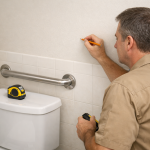
- Beside the toilet: mounted on the side wall within easy reach from a seated position
- Inside the shower or tub: at least one bar for balance during bathing, and one for stepping in and out
- Near the tub edge: to support the step-over moment—one of the most fall-prone movements in a bathroom
While it may be convenient to use suction-cup style bars, they can fail without warning and should never be trusted as a primary safety support. You must always anchor grab bars into wall studs.
If you’re unsure about installation, hire a professional. It’s a small cost compared to the alternative. If you’re unsure which type to choose or where to install them, this guide on grab bars for seniors covers proper placement and safety considerations.
Non-Slip Mats
Place one inside the tub or shower—using adhesive strips or a textured mat—and one just outside on the bathroom floor. Make sure every mat has a rubberized, non-slip backing, and replace them when they show wear.
Toilet Support
While it’s often overlooked, getting up from the toilet is one of the highest fall-risk movements in the daily routine.
A toilet safety rail or frame-style grab bar provides support on both sides and is one of the safest ways to improve stability around the toilet. If you want a closer look at the best options and proper setup, this guide on grab bars for toilet areas breaks it down clearly.
For a more permanent solution, a wall-mounted bar beside the toilet is ideal. Raised toilet seats (with optional handles) are also available to reduce the distance a senior need to lower and lift themselves.
Additional bathroom upgrades worth considering:
- A shower chair or fold-down bench paired with a handheld showerhead
- A night light inside the bathroom that activates automatically
- Bright overhead lighting and a well-lit vanity area
Living Areas
The living room and other common areas are where seniors spend the majority of their time. The bathroom deserves immediate attention—it’s where falls are most likely and often most serious.
“We often don’t notice the small changes in our balance or reflexes until an instant we need to rely on them. In my case it was a recovery from a stumble in my living room. My pets had left a flipped rug corner in the wake of a play session. From that moment on all rugs were fitted with non-slip backings.”
Remove Loose Area Rugs
This one may be tough to hear for some of you—it most definitely was for me. After all, rugs are cozy, decorative, and familiar.
But loose rugs—especially those without rubberized backing—are one of the top causes of trips and falls in the home.
If removing them entirely isn’t an option, then every rug must have a non-slip backing—this one is non-negotiable. Furthermore, they also need to be checked regularly for curled edges.
Clear Pathways Throughout the Home
Every walkway should be wide enough for comfortable movement—at least 36 inches—especially if a walker or rollator is in use. Remove low coffee tables, ottomans, and decorative items that narrow pathways or are easy to misjudge.
Choose Stable, Senior-Friendly Furniture
Chairs and sofas that are too low, too soft, or without armrests make sitting and standing much harder and riskier.
Look for chairs with firm cushions, higher seat heights, and solid armrests that can bear weight when pushing up to stand. Any furniture that wobbles or slides should be repaired or replaced.
Manage Cords and Cables
Run lamp and extension cords along baseboards and secure them with cable clips or cord covers. Never run a cord across a walkway, even temporarily.
Stairs and Entryways
Stairways are among the most dangerous features of any home for older adults.
Falls on stairs are more likely to cause serious injury than falls on flat ground. Therefore, this area deserves careful attention as part of any home safety plan for elderly individuals.
Install Handrails on Both Sides of Every Staircase
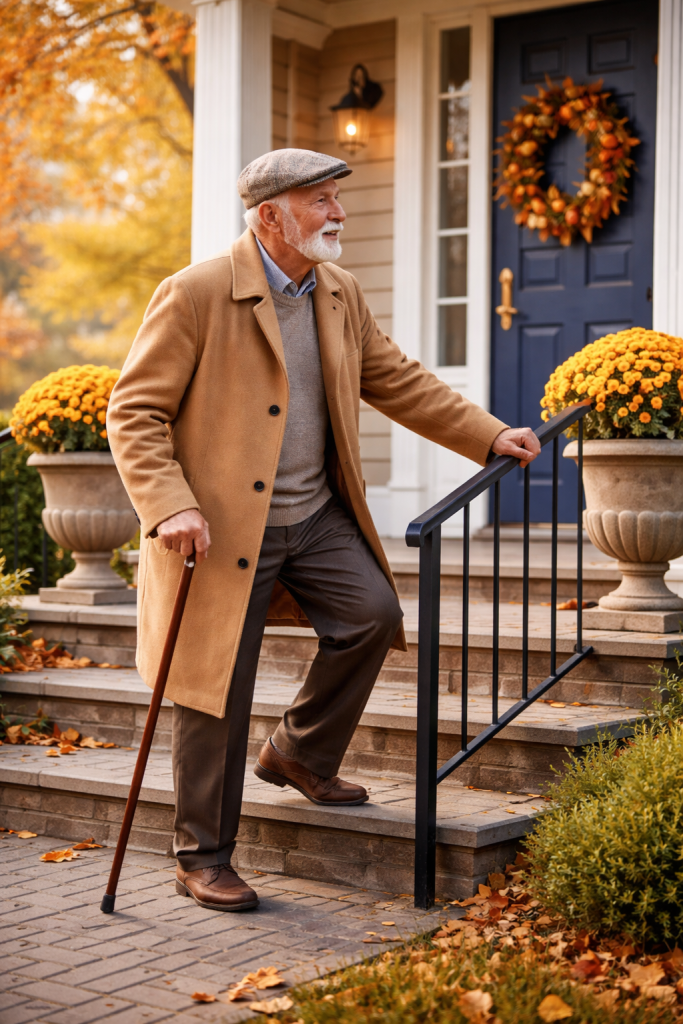
If only one rail currently exists, add a second. Both rails should run the full length of the stairs, be firmly anchored, and be comfortable to grip. Rails should sit between 34 and 38 inches above the stair nosing.
Improve Stair Lighting
Ensure that stairwells are brightly lit from top to bottom. Install light switches at both the top and bottom of each staircase so a senior never has to navigate in the dark. Motion-activated stair lighting is an excellent and affordable upgrade.
Add Contrast Strips
Place a strip of brightly colored, non-slip tape along the edge of each step—particularly the top and bottom steps. This contrast helps aging eyes better judge the depth and edge of each stair, significantly reducing misstep risk.
Address Entryway Hazards
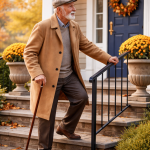
Stepping in and out of the home is a frequent fall moment. Install a grab bar or handrail beside the front door. Replace raised thresholds with flush or beveled transitions where possible.
Use non-slip mats both inside and outside the entry door. Also, make sure the outdoor entryway is well-lit enough to see the steps clearly, as well as any potential trip hazards.
Bedroom Safety
The bedroom, and the path leading to the bathroom should be addressed directly.
Night-time trips—moving from a dead sleep to the bathroom and back—are a common fall scenario. Being drowsy, moving too quickly, and low lighting all play a part.
Bedside lighting should be easy to turn on before getting out of bed. A lamp within arm’s reach is essential.
Additionally, motion-activated night lights placed along the floor between the bed and the bathroom door are one of the most practical and effective upgrades available. They come on automatically, which eliminates fumbling for a switch.
Create Clear, Easy Access Paths
The route from the bed to the bedroom door—and from there to the bathroom—should be completely unobstructed. No shoes on the floor. No laundry baskets in the way. Nothing that could be stumbled over in the dark.
Additional bedroom safety tips:
- Make sure the bed is at the right height—feet should rest flat on the floor when sitting on the edge
- Keep any mobility aids (cane, walker) within arm’s reach of the bed—not across the room
- Consider a bed rail or bed assist handle if getting in and out of bed has become difficult
Want a simple way to assess the home room by room? This checklist makes it easier to see which upgrades matter most in each space.
✔️ Room-by-Room Fall Prevention Checklist
| Area | Main Risk | Key Safety Upgrade |
|---|---|---|
| Bathroom | Wet surfaces and difficult transitions | Grab bars, non-slip mats, toilet support, better lighting |
| Living Areas | Loose rugs, clutter, unstable furniture | Clear pathways, remove tripping hazards, use stable seating |
| Stairs & Entryways | Miscalculated steps and poor visibility | Handrails on both sides, bright lighting, contrast strips |
| Bedroom | Night-time trips and poor bedside access | Bedside lighting, motion lights, clear path to bathroom |
Even small adjustments in each room can dramatically reduce the risk of a fall and make everyday movement feel more secure.
Simple Daily Habits That Reduce Fall Risk
Home modifications are essential but fall prevention for seniors at home doesn’t stop at hardware and furniture. Daily habits play an equally important role. Small, consistent choices add up to significantly lower fall risk over time.
Wear Proper Footwear indoors
This is one of the simplest and most effective tips for fall prevention available.
Avoid walking in socks on smooth floors or wearing loose slippers without grip. Instead, when you’re inside the home, wear shoes or slippers with non-slip soles, a firm fit, and good ankle support—every single day.
Keep Floors Clean and Dry
Spills should be wiped up immediately. Bathroom floors should be dried after bathing. Kitchen floors should be checked regularly for grease or moisture near the stove and sink.
A clean, dry floor is a safer floor—and using the best vacuum cleaner for seniors can make regular cleaning easier and safer to maintain.
“When we think of sitting up or standing up we may feel we are being measured and steady during normal activities. But the real test will when come we react to the next doorbell or ringing phone. This is where a sudden rise or lurch can lead to a dizzy spell or light headedness.”
Slow Down During Transitions
Standing up too quickly after sitting or lying down can cause lightheadedness and falls.
Take a moment before standing. Sit on the edge of the bed for a few seconds before rising. Then pause after standing to make sure balance is steady before taking the first step.
Stay Active Every Day
Staying active and mobile—even short walks around the home or yard—maintains the muscle strength and coordination that keep seniors steady on their feet.
Prolonged sitting weakens the very muscles needed for safe movement. Even gentle daily activity makes a measurable difference.
What daily habits make the biggest difference in preventing falls? This quick guide shows how a few small routines can help seniors stay safer at home.
Daily Habits That Lower Fall Risk
| Habit | Why It Matters | Simple Reminder |
|---|---|---|
| Wear proper footwear indoors | Improves grip and reduces slips on smooth floors | Avoid socks alone or loose slippers without traction |
| Keep floors dry and clear | Reduces slipping and tripping hazards | Wipe spills right away and keep walkways open |
| Slow down during transitions | Prevents dizziness and loss of balance when standing | Pause before taking your first step |
| Stay active every day | Maintains balance, coordination, and leg strength | Even short walks or gentle movement help |
| Keep mobility aids nearby | Reduces risky reaching or unsupported movement | Keep cane or walker within easy reach |
These habits may seem small, but together they create a safer daily routine and help reduce fall risk over time.
Safety Upgrades That Make a Big Difference
Beyond the room-by-room checklist, several targeted upgrades deliver an especially high return for seniors aging in place. These are worth prioritizing and, in many cases, worth investing in properly.
Many of these improvements are part of broader home modifications for seniors designed to support long-term safety and independence.
Grab Bars Throughout the Home
We’ve discussed the bathroom, but grab bars are useful in other locations too. For example, beside the bed, near the front door, and at the top and bottom of stairs.
Wherever a senior regularly transitions between sitting and standing, or navigates a step or threshold, a well-placed grab bar provides meaningful support.
Better Lighting Everywhere
Upgrading to brighter bulbs, adding motion-activated night lights in hallways and bathrooms, installing under-cabinet kitchen lighting, and ensuring every switch is accessible from a doorway.
These improvements in combination reduce fall risk across the entire home. Good lighting is one of the most underrated tools in senior fall prevention.
Walk-in Tubs and Roll-in Showers
For seniors who find stepping over a traditional tub edge difficult or frightening, a walk-in tub or a curbless roll-in shower can be genuinely life-changing. These upgrades eliminate one of the most dangerous moments in the bathroom entirely.
They represent a larger investment, but for many seniors, they are the difference between aging in place and moving into a care facility.
Ramps and Threshold Modifications
Exterior steps, raised thresholds, and uneven transitions between rooms are hazards that can often be addressed with a simple ramp or threshold reducer.
Portable ramps are available for smaller height changes, while permanently installed ramps may be appropriate for entryways with multiple steps.
When to Consider Professional Help
Sometimes the best step is to bring in an expert. A professional review can reveal hazards that are easy to miss. They can also recommend solutions tailored to the specific person and the specific home.
An occupational therapist (OT) can assess both the home environment and the individual’s physical capabilities.
They observe how a senior moves through their home, identify the most significant risks, and recommend specific modifications—from grab bar placement to furniture changes to assistive devices.
A referral from a family doctor is often all that’s needed to get started.
A home safety assessment, whether conducted by an OT, a home health agency, or a certified professional—provides a structured, room-by-room evaluation of fall hazards.
Many community organizations and local health authorities offer these assessments at low or no cost for seniors. It’s definitely worth asking.
A Certified Aging-in-Place Specialist (CAPS) can assess your home and recommend changes that improve both safety and independence.
CAPS professionals are trained in the specific needs of older adults and can coordinate everything from minor modifications to full bathroom renovations, with a steady focus on keeping seniors safely at home for as long as possible.
If a senior has already experienced a fall, has a significant balance issue, uses a mobility aid, or is recovering from surgery, professional help isn’t just worth considering, it’s genuinely important.
The investment in a professional assessment is almost always far less than the physical, emotional, and financial cost of a preventable fall.
Frequently Asked Questions About Fall Prevention
What is the #1 cause of falls at home?
There is no single cause, but environmental hazards are the most commonly reported issues. Slippery floors, poor lighting, and loose rugs account for most home falls.
When combined with physical factors like reduced balance and muscle weakness, the risk increases substantially. Effective home safety for elderly individuals means addressing both the environment and the body.
How can seniors improve their balance?
Balance can be improved at any age through consistent, targeted exercise. For example, Tai chi is a well-researched activity for fall prevention. It improves balance, coordination, and body awareness.
Yoga, water aerobics, and physical therapy balance programs are also highly effective. A physical therapist can design a personalized balance program based on an individual’s specific needs and starting point.
Are grab bars needed if I Still Feel Steady?
Yes. Grab bars are an important addition to any senior bathroom, regardless of current mobility level. The bathroom is the highest fall-risk room in the home, and the physical demands of sitting, standing, and stepping in and out of the tub are significant even for people who feel confident on their feet.
Grab bars provide an anchor point that is useful for everyone and critical for seniors. Installing them before a fall occurs, is always the right call.
What type of flooring is safest for seniors?
The safest flooring options for seniors are those that offer grip without being uneven or too high-friction. Cork, rubber, and textured vinyl are all excellent choices. Hardwood and smooth tile can be safe when kept dry and paired with non-slip mats.
Carpet provides natural traction and cushioning in the event of a fall, but thick, high-pile carpet can catch walker wheels and cause trips. Whatever flooring is in place, the most important factors are keeping it clean, dry, and free of loose edges or raised seams.
Staying Safe at Home Starts With Small Changes
Here’s the most important thing I want you to take away from this guide: you don’t have to do everything at once.
Fall prevention for seniors at home does not have to be an all-or-nothing project. Every change you make—no matter how small—reduces the risk of a fall and helps you stay safe, confident, and independent at home.
If you’re planning safer, more practical upgrades, these related guides are a good next step: