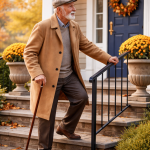
Bernie, 78, steps out his front door on a crisp autumn morning with his trusted walking stick in hand. It’s a beautifully crafted piece of ash wood—a cherished gift from his late wife.
With each step he feels steady and confident knowing his walking aid will give him the support he needs to enjoy his daily stroll.
“I’ve seen how the right walking stick can transform daily mobility—from hesitant, unsteady steps to confident, comfortable movement. Whether it’s a walk to your favorite coffee shop or just getting the mail, the right walking stick matters.”
This scene plays out thousands of times each day across the country. Walking sticks are not just tools—they’re bridges to independence.
For seniors who need just a little extra balance and confidence, a walking stick can make everyday movement feel safer and more natural.
Most importantly, they help seniors maintain their level of activity and connection to the world around them.
If you’re a senior, or an adult child helping your parent explore canes and walking sticks, you’ve come to the right place. I’ll guide you through everything you need to know about choosing the perfect model.
Together, we’ll explore the different types available, key features to consider, and how to find the right fit for your specific needs.
Walking Sticks—How They Differ from Canes
Many people use the terms “walking stick” and “cane” interchangeably. However, there are some subtle differences worth understanding.
A walking stick typically refers to a straight, single-piece support tool. Often, it’s made from natural wood like oak, ash, or hickory, with a simple handle or knob at the top.
Walking sticks are often the first step in mobility support—but they’re just one part of a broader range of walking aids designed to match different levels of balance and stability.
Where They Differ
Canes often have curved or ergonomic handles. They may include additional features like quad bases (four feet at the bottom) or offset handles.
Medical canes, usually made from aluminum, are specifically designed to bear more body weight and provide targeted support for those with mobility limitations.
Both canes and walking sticks serve similar purposes. They help distribute weight, improve balance, and reduce strain on legs and hips—making them an important part of choosing the right walking aids for your needs.
The choice between them often comes down to personal preference, specific mobility needs, and intended use.
What’s the Purpose?
Walking sticks may be a better fit for outdoor activities like hiking or casual neighborhood walks. They offer a classic, traditional appearance that many seniors appreciate.
A cane—or even a more supportive option like a walker or rollator walker—might be more suitable if you need maximum stability indoors or have specific medical conditions requiring additional support.
Types of Walking Sticks for Seniors
Traditional Wooden Walking Sticks
Nothing beats the classic appeal of a traditional wooden walking stick. These time-tested supports offer natural charm, durability, and a comfortable grip that improves with use.
Wooden walking sticks come in various wood types.
Oak provides exceptional strength and a rich grain pattern. Ash offers flexibility and shock absorption—perfect for longer walks. Hickory delivers outstanding durability and can handle significant weight.
Each wood type has its own character and benefits.
Standout Features
The natural variation in wooden models means each one is unique. Some feature carved handles, decorative elements, or family markings and seals. This personal touch makes a wooden stick feel special and meaningful—just ask our man, Bernie.
Wooden walking sticks are typically heavier than modern alternatives. They also require more maintenance to preserve their appearance. Moreover, they can’t be adjusted for height, so proper sizing is crucial from the start.
Collapsible, Foldable, Adjustable Walking Sticks
Modern seniors lead active lives. They travel, visit grandchildren, and explore new places. A collapsible walking stick offers the perfect solution for mobility support on the go.
A foldable stick typically breaks down into three or four sections. These sections connect with spring-loaded buttons or twist-lock mechanisms. When collapsed, most foldable walking sticks fit easily into a suitcase, car trunk, or large purse.
The Convenience Factor
Imagine boarding an airplane without worrying about checking your mobility aid. Picture exploring a new city knowing your collapsible walking stick is ready when you need it.
These portable options provide peace of mind for active seniors.
Quality varies significantly in folding stick models. Look for sturdy connection points and smooth locking mechanisms. Test the walking stick fully extended to ensure it feels stable and secure.
A well-made collapsible walking stick should feel nearly as solid as a traditional one-piece model.
Walking Stick with Seat
Here’s where innovation meets practicality. A walking stick with seat combines mobility support with a convenient rest option. These clever devices feature a small, foldable seat built into the walking stick design.
The stick with seat models are perfect for seniors who enjoy longer outings but need occasional breaks. Think farmers markets, art fairs, or scenic walks through the park.
When fatigue sets in, simply unfold the seat and take a comfortable rest.
Instant Seating Wherever You Are
Most walking sticks with seat designs support weights up to 250-pounds. The seats are typically made from durable canvas or nylon materials. Some models include back support for added comfort during longer rest periods.
Where these versatile tools really shine is during travel and social activities. Imagine, no more searching for benches or chairs when you need a break.
Adjustable Walking Sticks
One size doesn’t fit all when it comes to walking sticks. An adjustable walking stick offers the flexibility to find your perfect height and accommodate different users or situations.
Most adjustable walking stick models feature telescoping sections with spring-loaded button locks or twist mechanisms. This allows height adjustments typically ranging from 28—38 inches. Some premium models offer even greater adjustment ranges.
Start With Your Needs
The beauty of an adjustable walking stick lies in its versatility. Share it with a spouse of different height. Adjust it for different activities – slightly shorter for indoor use, taller for outdoor walking.
Some people prefer different heights depending on their clothing or the terrain they’re navigating.
Quality adjustable walking stick models maintain stability throughout their adjustment range. Look for secure locking mechanisms that won’t slip during use.
Test the walking stick at various heights to ensure smooth adjustment and solid performance.
Which Walking Stick Is Right for You? The chart below gives you a quick side-by-side look at the most common walking stick types used by seniors today.
Walking Stick Features
| Type | Key Features | Best For | Limitations |
|---|---|---|---|
| Wooden Stick | Solid, natural wood, traditional style | Daily walks, style, sentimental value | Not adjustable, requires maintenance |
| Collapsible/Foldable | Breaks into segments, travel-friendly | Travel, active lifestyles, easy storage | May lack the sturdiness of one-piece models |
| Walking Stick with Seat | Built-in fold-out seat, dual-purpose | Long outings, events, waiting in lines | Heavier, slightly bulkier |
| Adjustable Stick | Telescoping shaft, customizable height | Multi-user households, variable terrains | Moving parts may wear out over time |
Each type of walking stick has its strengths. Choose the one that fits your lifestyle and keeps you moving with confidence.
The Right Walking Stick for Balance and Support
Choosing for Support
Selecting the perfect stick involves more than just picking an attractive design. You need to assess your specific mobility needs and match them with the right features.
Start by considering why you want a walking stick. Are you looking for occasional balance support during outdoor activities? Do you need daily assistance with stability? Are you recovering from an injury or surgery?
Your intended use will guide your selection process.
Function Then Features
Height is crucial for proper mobility and function. When standing upright with the stick beside you, the top should align with your wrist crease.
This positioning allows your arm to bend slightly while maintaining proper posture. An incorrectly sized walking stick can cause shoulder strain or provide inadequate support.
Weight capacity matters, especially for seniors who may need significant support. Most quality sticks for balance support weights up to 250—300 pounds.
However, if you plan to lean heavily on your walking support stick, look for models rated for higher capacities.
Assess Before You Choose
Grip comfort affects your entire walking experience. Ergonomic handles reduce hand fatigue and improve control. Some grips work better for arthritis or other hand conditions.
Try different handle styles to find what feels most comfortable for extended use.
Consider the terrain where you’ll walk most often. Smooth indoor surfaces require different features than outdoor hiking trails. Elderly walking sticks used primarily indoors might prioritize lightweight materials and quiet rubber tips.
Walking sticks for elderly people who enjoy outdoor activities need more robust construction and aggressive tread patterns.
Not sure what to avoid when picking out a walking stick? Here are some of the most common mistakes seniors make—and how to steer clear of them.
Common Mistakes when Choosing a Walking Stick
| Mistake | Why It Matters |
|---|---|
| Choosing style over function | An attractive stick may lack proper support or comfort for daily use. |
| Using the wrong height | Incorrect sizing leads to poor posture, shoulder strain, and less stability. |
| Overlooking grip comfort | Handles that don’t fit your hand can cause pain, fatigue, or even blisters. |
| Ignoring tip wear | Worn rubber tips lose traction—this increases fall risk on smooth or wet surfaces. |
| Not consulting a professional | A doctor or therapist can recommend the right model based on your specific condition. |
Avoiding these mistakes helps you choose a walking stick that supports you properly and keeps you safe day after day.
Travel-Friendly Options for Seniors
Today’s seniors refuse to let mobility concerns limit their adventures. Whether visiting family across the country or exploring new destinations, travel-friendly walking sticks keep you moving confidently.
Collapsible models used for travel offer the ultimate in portability. These ingenious designs collapse to less than 12 inches in length while maintaining full-size stability when extended.
Premium models include carrying cases that protect the walking stick during transport.
Weight versus Bulk
Weight becomes critical for travel walking sticks. Every ounce matters when navigating airports or carrying luggage. Materials like carbon fiber and aluminum provide strength without bulk.
Some travel walking sticks weigh less than one pound while supporting full body weight.
Airline Travel
Consider airline regulations when choosing collapsible walking sticks for travel. Most airlines allow walking sticks as carry-on items, but policies can vary. Collapsible models provide flexibility—carry them on or check them as needed.
Quick setup is essential for travel models. You don’t want to struggle with complicated mechanisms when you need support. Look for models with simple spring-loaded, push-button or twist-lock systems that extend and collapse in seconds.
Not sure which type fits your lifestyle? This quick reference pairs everyday activities with the ideal walking stick for the task.
Walking Stick Type by Lifestyle
| Lifestyle | Recommended Walking Stick |
|---|---|
| Daily neighborhood walking | Traditional wooden walking stick |
| Frequent travel or outings | Collapsible or foldable model |
| Long outdoor events or parks | Walking stick with seat |
| Shared use or variable needs | Adjustable walking stick |
| Short-term recovery or post-surgery | Height-adjustable medical cane |
Match the stick to ensure it works with you, not against you, making everyday routines easier and safer.
Safety and Comfort Features
The Difference Between Confidence and Uncertainty
Modern walking sticks incorporate numerous innovations designed to enhance stability and user comfort. Anti-slip rubber tips are non-negotiable for any walking aid.
These specially designed tips provide traction on various surfaces—from smooth indoor floors to wet sidewalks. Replace worn tips immediately to maintain optimal grip and safety.
Your Connection Point
Ergonomic grips transform your walking experience. Contoured handles reduce pressure points and distribute weight evenly across your palm.
Some grips feature special materials that stay comfortable even during extended use. Others include finger grooves or palm rests for additional comfort.
Wrist straps provide an extra layer of security. If you accidentally lose your grip on the handle, the wrist strap prevents it from falling completely.
This feature is especially valuable when navigating stairs, uneven terrain, or crowded areas.
Form Follows Function
Material choice affects both comfort and durability.
Lightweight aluminum offers strength without weight. Carbon fiber provides premium performance for serious users. Traditional wood delivers classic appeal with natural shock absorption.
Consider your priorities when evaluating different materials.
Easy locking mechanisms matter for adjustable models. You should be able to adjust height and secure the walking stick quickly and confidently.
Complicated systems can be frustrating, especially for seniors with arthritis or limited dexterity.
Some walking sticks include LED lights for visibility during evening walks. Others feature reflective strips or bright colors for enhanced safety. Consider these additional features based on your lifestyle and walking habits.
How should you care for different walking stick materials? Proper maintenance keeps it working reliably. Here’s a quick guide to looking after popular materials:
Walking Stick Maintenance
Walking Stick Maintenance Tips
Proper care extends your walking stick’s life and ensures reliable performance when you need it most. Different materials require specific maintenance habits, but all walking aids benefit from regular attention.
Regular inspections can detect signs of wear. Check the tip for excessive wear or damage. Examine adjustment mechanisms for smooth operation. Look for cracks, loose fittings, or other issues that could affect safety or performance.
Care Essentials
“I always suggest creating a maintenance kit for your walking aid or mobility device. Whether it be a rollator, mobility scooter or walking stick. The kit can occupy a drawer or cupboard; it doesn’t really matter. What does matter is that there is access to the tools, supplies, and replacement parts for those items that do wear out.”
Wooden models need periodic cleaning and conditioning. Use a slightly damp cloth to remove dirt and grime.
Apply wood conditioner or furniture polish occasionally to maintain the finish and prevent cracking.
Avoid soaking wood, as moisture can cause warping or splitting.
Aluminum and carbon fiber models require minimal maintenance.
Clean them with mild soap and water, then dry thoroughly. Pay special attention to adjustment mechanisms—keep them clean and lubricated according to manufacturer instructions.
Replace rubber tips when they show significant wear. Worn tips compromise traction and stability. Most tips are inexpensive and easy to replace. Keep spare tips on hand so you’re never caught with a worn-out walking stick.
Store your walking stick properly when not in use. Avoid extreme temperatures or moisture that could damage materials or mechanisms.
If you have a collapsible walking stick, store it partially extended to prevent mechanism binding.
Talk to a Doctor
Sometimes the decision to use a walking aid involves more than personal preference. Medical conditions, injuries, or changes in mobility may require professional guidance to ensure you choose the right support.
Several signs suggest it’s time to consult your doctor or physical therapist about the use of a walking aid. Frequent falls or near-falls indicate balance issues that need professional assessment. Persistent joint pain, muscle weakness, or fatigue during walking may benefit from a mobility device.
Temporary or Permanent Support?
Recent surgery, particularly on hips, knees, or feet, often requires temporary or permanent walking support. Your medical team can recommend the best type of mobility aid for your recovery and long-term needs.
Proper fit and walking technique are crucial for walking sticks. A physical therapist can ensure your walking stick is properly sized and teach you correct usage techniques.
They can also recommend specific features based on your individual mobility challenges.
Don’t hesitate to discuss questions you may have during regular medical appointments. Your doctor can identify potential benefits you might not have considered. They can also rule out underlying conditions that might require different interventions.
Some insurance plans cover mobility aids when prescribed by a physician. While basic walking aids are typically inexpensive, specialized models can be costly.
Professional prescription may provide financial assistance for necessary mobility equipment.
“Many seniors I’ve spoken with were hesitant to start using a walking stick—but almost all of them say they wish they had done it sooner. It’s a tool of independence, not limitation.”
Confidence in Every Step
Choosing a stick for walking isn’t about admitting limitation—it’s about embracing freedom. The right one can open doors to continued independence, outdoor enjoyment, and confident mobility.
It’s a tool that says you’re taking charge of your well-being and refusing to let uncertainty slow you down.
Remember Bernie from our opening story? His prized gift didn’t make him dependent—it made him bold. It gave him the confidence to pursue his coffee meetups, maintain his connections with neighbors, and enjoy the simple pleasure of being outdoors.
Start small and try different styles to find what feels most comfortable and natural. Don’t be afraid to ask questions at medical supply stores or consult with healthcare providers.
The perfect model is out there waiting to become your trusted companion.
Final Thoughts
Like Bernie, you may discover that a simple stick can become something more—it’s not just a walking aid, but a bridge to your favorite routines, outdoor moments, and personal independence.
Whether you choose a traditional wooden walking stick, a modern collapsible model, or a specialized walking stick with seat, prioritize safety and comfort above all else.
Your mobility aid should feel like a natural extension of your body—steady, reliable, and confidence-inspiring.
Take that first step with confidence. Your walking stick is ready to support every adventure, every daily routine, and every moment you choose to keep moving forward. The world is still yours to explore, one confident step at a time.
Want to keep exploring? Here are some related articles: