Curtains are one of those things most people don’t think about—until dust starts building up and affecting the air they breathe.
If you’re looking for curtains that don’t collect dust, the good news is you don’t need anything complicated. The right materials, simple designs, and a few smart habits can make a noticeable difference in how clean your home feels.
In this guide, I’ll show you what actually works, what to avoid, and how to choose curtains that are easier to maintain—especially if you’re trying to reduce allergens and keep your home comfortable as you age in place.
Quick Signs Your Curtains Are Holding Dust
- You notice dust buildup near windowsills
- Curtains feel heavy or stiff over time
- Increased sneezing or allergy symptoms indoors
- Dust returns quickly after cleaning
- Visible particles when curtains are moved
What Are Dust Proof Curtains (Dust-Resistant Curtains)?
Curtains that don’t collect dust are typically made from tightly woven, low-lint fabrics that resist trapping airborne particles, making them easier to maintain and better for a low-dust home.
Many people searching for allergy-free curtains are really looking for fabrics that collect less dust and are easier to keep clean.
For anyone suffering from indoor allergies or trying to create a dust free home environment, understanding how to choose and maintain dust-resistant window treatments is a major step forward.
If you’re specifically looking for curtains that don’t collect dust, materials and weave density make all the difference.
Best Curtain Materials That Don’t Collect Dust
- polyester blends
- tightly woven cotton
- microfiber
Choosing the right material is a strong first step—but understanding why curtains collect dust in the first place helps you make better long-term decisions.
Why Curtains Are Major Dust Collectors
“I’ve had allergies since I was a kid—pretty much everything seemed to set me off. I had strong reactions to seasonal pollens and household dust. I couldn’t control the pollen, but when it came to indoor dust, I knew I had options. So, when I bought my first home, I made a deliberate choice to install high-end shutters—they looked great—more importantly, they were easy to wipe down before dust had a chance to settle. To soften their look, I added sheer curtains. They were light, and breathable. Best of all they were easy to remove and wash. That one design choice made a real difference in my daily comfort.”
Your curtains might look innocent, but here’s why they’re often the worst offenders when it comes to your home’s dust problem.
The Still-Air Effect
Unlike surfaces you clean regularly, curtains often hang undisturbed for months or even years. This is exactly why many people start looking for curtains that don’t collect dust in the first place.
This stillness creates the perfect environment for dust, pollen, pet dander, and other airborne particles to settle into the fabric.
With each breeze or adjustment, these particles can be released back into your air, which defeats the whole purpose of opening those windows for a ventilating breeze.
Hidden Allergen Storage
Standard curtains—especially those with heavy textures or loose weaves—act like allergen storage units. They trap particles within their folds and fibers, slowly releasing them over time when disturbed by:
- Air conditioning or heating vents
- Opening and closing windows
- Simply brushing against them as you walk by
Most people clean their floors weekly and wipe down surfaces regularly, but curtains often go months or years without proper cleaning.
This neglect allows them to become some of the dustiest items in your home, particularly in bedrooms where you spend a third of your life breathing nearby air.
Key Features of Dust Proof Curtains
No curtain is completely dust proof, but the right materials and design choices can dramatically reduce how much dust they collect. However, certain curtains are better at limiting how much dust settles into the fabric. These dust-resistant window treatments share several important characteristics:
Characteristics of Dust Proof Curtains
- Smooth Surface Texture: The smoother the fabric, the fewer places for dust to cling.
- Tight Weave Construction: Tight weaves leave fewer gaps for dust to settle into.
- Low Static Properties: Static electricity acts like a dust magnet.
- Easy Washability: The most practical dust proof curtains are those you can easily clean at home.
While manufacturers may not always label their products specifically as “dust proof,” understanding these qualities helps you identify the best options for a cleaner home environment.
What makes one curtain better than another at keeping dust away? Here are the key features that set dust-resistant curtains apart:
Curtain Comparison by Surface Types
| Feature | Why It Helps |
|---|---|
| Smooth Surface Texture | Fewer places for dust to cling, like polished marble vs. rough rock. |
| Tight Weave Construction | Small gaps prevent dust from settling, similar to a wall vs. chain-link fence. |
| Low Static Properties | Reduces static electricity that acts like a magnet for airborne dust. |
| Easy Washability | Machine-washable or wipe-down fabrics simplify regular cleaning. |
By keeping these qualities in mind, you’ll be able to spot curtains that naturally resist dust and help create a healthier, cleaner living space.
Best Materials for Dust Proof Curtains
The type of fabric used in your curtains plays a major role in how much dust they collect. Some materials naturally repel dust while others tend to trap particles deep within their fibers. Choosing the right material is what separates standard curtains from curtains that don’t collect dust effectively.
Make the Best Choice
When it comes to dust resistance here are the top performers:
Polyester and Polyester Blends
Polyester stands out as one of the most practical choices for dust-resistant window treatments because:
- It features a naturally smooth surface that gives dust little to cling to
- The synthetic fibers don’t trap particles like natural fibers can
- Most polyester curtains are machine-washable
- They’re widely available at various price points
- They resist wrinkling and maintain their shape after washing
For homes with allergy sufferers, polyester’s practical benefits often outweigh the appeal of more luxurious but dust-trapping alternatives.
Lightweight Cotton
While not all cotton performs equally well, lightweight, tightly woven cotton can be an excellent choice when:
- It’s treated with anti-static finishes
- The weave is smooth and dense
- It’s labeled as “easy care” or “low maintenance”
Cotton breathes well, making it ideal for homes in humid climates where mold and mildew might otherwise be concerns with synthetic fabrics.
Synthetic Blends with Anti-Static Properties
Modern fabric technology has produced excellent blends specifically designed to resist dust buildup:
- Nylon-polyester blends offer durability with low static
- Microfiber blends provide a silky feel while resisting dust
- Treated fabrics with anti-static finishes perform particularly well
These engineered fabrics often combine the best qualities of multiple materials while minimizing downsides.
Sheer or Semi-Sheer Options
Lighter curtains with less fabric generally collect less dust simply because there’s less material to trap particles. Consider:
- Voile curtains for a light, airy feel with minimal dust collection
- Semi-sheer panels that filter light while remaining easy to clean
- Layering options where the outer layer serves as a dust barrier
Which curtain fabrics actually make a difference in keeping dust at bay? Here’s how the top materials compare:
Best Materials for Dust-Proof Curtains
Best Materials for Dust Proof Curtains
| Material | Dust Resistance | Other Benefits |
|---|---|---|
| Polyester & Blends | Smooth surface, low dust cling, machine-washable | Affordable, wrinkle-resistant, holds shape well |
| Lightweight Cotton | Tight weave and anti-static finishes help resist dust | Breathable, good for humid climates |
| Synthetic Blends | Engineered to minimize dust buildup | Durable, silky feel, often anti-static treated |
| Sheer / Semi-Sheer | Less fabric overall means less dust collection | Light, airy, easy to layer for style and function |
By comparing these materials side by side, it’s easier to balance dust resistance with comfort and style—so your curtains can look good while helping the air stay cleaner.
Best Curtains That Don’t Collect Dust (What Actually Works)
The best curtains that don’t collect dust are made from smooth, tightly woven, low-static fabrics like polyester, microfiber, and treated cotton. Some curtain fabrics naturally attract less dust and fewer airborne allergens than others.
Choosing dust-resistant fabrics is also one of the simplest ways to reduce allergens throughout your home. Smooth, tightly woven materials tend to shed dust more easily and prevent particles from settling deep into the fabric.
Lightweight, washable fabrics are often the best choice for households trying to reduce dust buildup and maintain better indoor air quality.
Fabrics that tend to collect less dust include:
- Polyester curtains – Durable, lightweight, and resistant to dust buildup
- Microfiber curtains – Tightly woven fibers help repel dust and allergens
- Washable cotton blends – Easy to clean regularly, reducing dust accumulation
- Minimalist curtain panels – Fewer folds and layers leave fewer places for dust to collect
Heavier fabrics such as velvet, chenille, or thick decorative drapes may look luxurious, but they tend to trap dust more easily and require more frequent cleaning.
Curtain Materials That Trap Dust (And Should Be Avoided)
While some curtain fabrics help reduce dust buildup, others do the opposite. Certain heavy or textured materials can trap dust deep within their fibers and release it back into the air when disturbed.
Magnets for Dust and Allergens
Some curtain materials should be avoided in homes where dust sensitivity is a concern:
Heavy + Textured Fabrics
Velvet
With its plush pile and complex structure, velvet is perhaps the worst offender for dust collection.
Chenille and Boucle
These fabrics feature raised, textured surfaces that trap dust deep within their structure.
Heavy Damasks and Jacquards
The complex weaving patterns in these decorative fabrics create tiny pockets where dust can hide.
Natural Fibers + Loose Weaves
Wool
While beautiful and insulating, wool naturally attracts and holds dust.
Linen with Open Weaves
Some linen curtains feature loose, open weaves that allow dust to penetrate deeply into the fabric structure, making them difficult to clean completely.
Raw Silk
The natural texture of raw silk, while luxurious, creates an irregular surface perfect for trapping dust particles.
Wondering which curtain fabrics help fight dust and which ones make it worse? This side-by-side comparison shows the best and worst options at a glance:
Curtain Fabric Comparison
| Dust-Resistant Materials | Dust-Prone Materials to Avoid |
|---|---|
| Polyester and Polyester Blends | Velvet |
| Lightweight, Tightly Woven Cotton | Chenille and Boucle |
| Microfiber or Nylon-Polyester Blends | Heavy Damasks and Jacquards |
| Treated Synthetic Fabrics (Anti-Static) | Wool and Open-Weave Linen |
| Sheer or Semi-Sheer Panels (e.g., Voile) | Raw Silk |
Choose fabrics that repel dust, not trap it—especially in allergy-prone spaces.
What Are Dust Resistant Curtains?
Dust resistant curtains are designed to minimize dust buildup through smoother fabrics, tighter weaves, and easier maintenance. While no curtain is completely dust-proof, certain materials—such as tightly woven cotton, microfiber, or synthetic blends—tend to attract and hold less dust than heavier, textured fabrics.
- Tightly woven fabrics reduce dust penetration
- Smooth surfaces prevent dust from clinging
- Lightweight materials are easier to clean regularly
How to Maintain Dust Proof Curtains
Even dust-resistant curtains require regular care to keep allergens from building up over time. A simple cleaning routine can prevent dust from settling into the fabric and help maintain better indoor air quality.
Establishing a maintenance Routine
Even the most dust-resistant curtains require regular care. Establishing a simple cleaning routine prevents buildup and extends the life of your window treatments.
Weekly Maintenance
“You may not get to every spot of dust on cleaning day. You may even miss rooms altogether—don’t panic. The idea is to be consistent. Don’t exhaust yourself—and you’ll save some energy for the things you really enjoy.”
Light Vacuuming
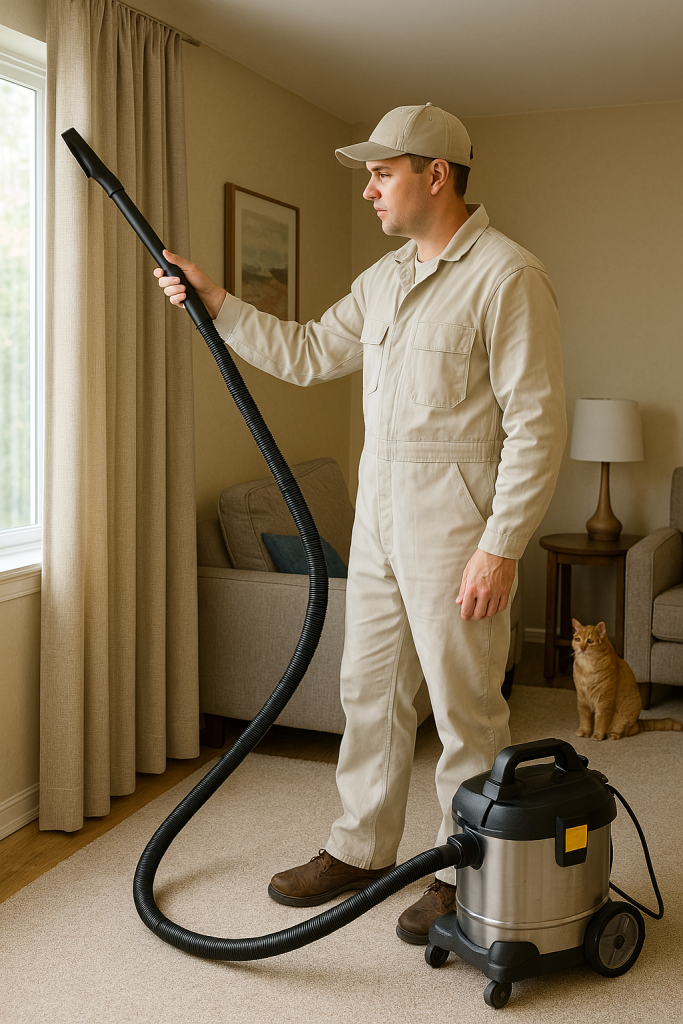
Using your vacuum’s upholstery attachment on the lowest suction setting, gently run it over curtains from top to bottom. This removes surface dust before it can settle deeper into fibers.
Shaking Outdoors
For curtains that can be easily removed, take them outside and give them a good shake. This simple step removes a surprising amount of loose dust and refreshes the fabric.
Monthly Deep Cleaning
Dust Rod and Hardware
Don’t forget to wipe down curtain rods, finials, and other hardware with a microfiber cloth. These surfaces collect dust that can fall onto your curtains when disturbed.
Thorough Vacuuming
Once a month, use your vacuum’s brush attachment to more thoroughly clean curtains while they’re still hanging. Pay special attention to the tops and folds where dust tends to collect.
Seasonal Care
Machine Washing
For washable curtains, plan to launder them seasonally (every 3—4 months). Definitely include them in your spring-cleaning routine. Always check the care label and follow manufacturer instructions:
- Use the gentle cycle with cold water
- Avoid overcrowding the washing machine
- Hang to dry or use low heat in the dryer
Outdoor Refreshing
For curtains that can’t be machine washed, hanging them outside on a breezy, sunny day allows natural air circulation to remove dust and freshen the fabric. The sun’s UV rays also help kill dust mites and bacteria.
Professional Cleaning
Heavy or specialty curtains may require professional cleaning once or twice a year. Research services that specialize in drapery cleaning for best results.
How often should you actually clean dust-resistant curtains? Here’s a simple schedule that keeps them fresh without overwhelming your routine:
Curtain Maintenance Schedule
| Frequency | Recommended Care |
|---|---|
| Weekly |
• Light vacuum with upholstery tool • Shake curtains outdoors if removable |
| Monthly |
• Wipe curtain rods and hardware • Thorough vacuum of folds and tops |
| Seasonally |
• Machine wash (if care label allows) • Outdoor refresh for non-washable fabrics |
| Yearly | • Professional cleaning for heavy or specialty drapes |
PetersHomeGuide.com
Following a simple schedule like this keeps your curtains looking their best while protecting the air quality in your home.
Strategic Placement of Dust Proof Curtains
Not All Rooms are equal
Some spaces need dust-resistant curtains more than others. Consider these priority areas:
Bedrooms
The average person spends about eight hours a day in the bedroom—that’s a third of your life! This makes bedrooms the most important location for dust proof curtains because:
- You breathe bedroom air for extended periods while sleeping
- Dust in bedrooms can directly impact sleep quality
- Morning allergies are often triggered by nighttime dust exposure
For bedrooms, prioritize easy-to-clean materials that can be washed regularly without losing their shape or appearance.
Living Rooms
Living rooms are high-traffic dust zones. It experiences more foot traffic, air movement, and activity than most other spaces in your home.
This increased activity means:
- More dust gets kicked up into the air
- Particles circulate more readily
- Window coverings in these areas need frequent cleaning
Choose durable, washable options for these high-use areas, and consider darker colors that show dust less obviously between cleanings.
Near Air Vents and Entry Points
Areas with air movement collect dust faster than still-air zones:
- Windows near heating/cooling vents
- Doors to the outside
- Areas with ceiling fans
In these locations, opt for smoother materials that give dust fewer places to cling and consider shorter lengths that don’t touch the floor.
Dust Proof Curtains for Specific Needs
Different households have different concerns when it comes to dust control. Here are solutions for common situations:
For Allergy and Asthma Sufferers
If respiratory health is your primary concern:
- Choose synthetic materials over natural fibers
- Look for antimicrobial treatments that inhibit dust mite growth
- Consider washable roller shades as an alternative to fabric curtains
- Implement a strict biweekly cleaning schedule
The investment in proper window treatments can significantly reduce allergy symptoms and improve quality of life.
“I have a dog and a cat—both of them have a tendency to stare out certain windows. To do that they would slide themselves between the curtains and walls as they made their way to the window. I would end up with pet hair on the inside of the curtains without realizing it was happening. It always turned into a bigger cleaning chore than I wanted. I decided to shorten all of the curtains to minimize contact with them.”
Homes with Pets
Pet owners face unique challenges with dander and fur:
- Avoid fabrics that create static and attract pet hair
- Select darker colors that show less pet hair between cleanings
- Choose materials that can stand up to frequent washing
- Consider shorter curtain lengths that pets can’t rub against or hide behind
For Aging in Place or Limited Mobility
With advanced age or limited mobility, curtain maintenance should remain simple:
- Select lightweight panels that are easy to remove
- Choose grommet-top styles that slide easily on and off rods
- Opt for smaller window treatments that fit in standard washing machines
- Consider alternatives like washable roller blinds for maximum ease
Simple changes can make a big difference in maintaining independence and a clean home environment.
Beyond Curtains: Creating a Low-Dust Environment
Dust proof curtains work best as part of a comprehensive approach to reducing indoor allergens. For a deeper look at how to minimize triggers throughout your home, see my guide on how to allergy proof your home.
Air Filtration Partners
- HEPA air purifiers remove particles that might otherwise settle on curtains
- Regular HVAC filter changes prevent dust recirculation
- Humidifiers help keep dust from becoming airborne (dust travels less in slightly humid air)
“Quick Tip: “Don’t skip the curtain rod—it collects dust too!”
Complementary Cleaning Habits
- Regular dusting with microfiber cloths (not feather dusters that can spread particles)
- Vacuum using a HEPA-filtered vacuum at least twice a week
- Remove shoes at the door to reduce tracked-in particles
A Breath of Fresh Air
You might not think of curtains as an exciting home upgrade—but the right window treatments can quietly improve the air you breathe in your home every day.
By choosing materials wisely combined with regular maintenance and strategically placing the right window treatments throughout your home you’ll create a more comfortable living environment.
Frequently Asked Questions About Dust-Resistant Curtains
Do blackout curtains collect more dust?
Blackout curtains can collect more dust than lighter fabrics because they are often made from thicker, heavier materials. Their dense construction can trap dust particles more easily, especially if they are not cleaned regularly. Choosing smoother, tightly woven blackout fabrics can help reduce buildup.
What curtain fabric attracts the least dust?
Curtains made from tightly woven, smooth fabrics—such as microfiber, polyester blends, or certain types of cotton—tend to attract less dust. These materials don’t hold onto particles as easily as heavy, textured fabrics like velvet or thick linen.
How often should curtains be cleaned to reduce dust?
Curtains should typically be cleaned every 3 to 6 months, depending on the environment. Homes with pets, high traffic, or allergy concerns may benefit from more frequent cleaning. Regular light maintenance, such as vacuuming or shaking them out, can also help reduce dust buildup between washes.
Final Thoughts
Keep in mind that no curtain will be completely immune to dust but with the right selections and care routine, you can dramatically reduce allergens and enjoy cleaner air in every room. Your lungs (and your dusting schedule) will thank you for making this simple but effective change.
Start with one room—I’d suggest the bedroom—and experience the difference dust-resistant window treatments can make.
Want to keep exploring? Here are some related articles: