Many of us worry about what aging might mean for our minds and memories. The fear of losing our keys yet again, forgetting a grandchild’s name, or feeling confused in familiar places—it can be overwhelming.
But there is encouraging news—staying brain fit is absolutely possible at any age. Just like we exercise our bodies to stay physically strong, we can train our minds to remain sharp and capable.
Brain fitness isn’t just a trendy concept—it’s a proven approach that helps seniors maintain independence, boost confidence, and enjoy life to the fullest.
Throughout this guide, I’ll share practical strategies that have helped thousands of older adults stay mentally sharp while aging in place.
The beauty of a brain fitness routine lies in its simplicity. You don’t need expensive equipment or complicated routines. Instead, small daily actions can build a stronger, more resilient mind.
Whether you’re in your 60s, 70s, 80s, or beyond, it’s never too late to start strengthening your mind.
Why Brain Fitness Matters for Aging in Place
When I talk with families about aging in place, one of the most common concerns shared by the elderly is cognitive decline. Many seniors worry about their ability to live independently as they age. These fears aren’t imagined, but they’re also not inevitable.
Brain fitness directly supports your ability to stay independent at home. When you maintain a sharp mind, you can:
- Remember important medications and dosing schedules
- Handle finances and make sound decisions
- Navigate familiar and new environments confidently
- Maintain meaningful relationships and conversations
- Solve daily problems with clarity and creativity
I’ve seen how cognitive challenges can affect everyday life. Forgetting appointments, misplacing important items, or feeling disoriented can rattle anyone’s confidence. But I’ve also witnessed remarkable transformations when seniors commit to brain fitness routines.
The connection between mental sharpness and independent living is undeniable. When you feel confident in your cognitive abilities, you’re more likely to stay engaged with life, maintain social connections, and continue pursuing activities you love.
This creates a positive cycle that supports both brain health and overall well-being. Research consistently shows that people who prioritize brain fitness experience slower cognitive decline and maintain independence longer.
More importantly, they report higher quality of life and greater satisfaction with their aging experience.
Best Brain Fit Exercises for Seniors
Let me share the most effective ways to keep your mind sharp and engaged. Just as physical exercise strengthens muscles, mental exercises build cognitive resilience.
“The actual act of writing with pen on paper has a powerful effect on learning and cognitive fitness. Take advantage of every opportunity to express yourself using a pen, pencil, or brush. Whether you write, draw, paint, or design—research has shown that the physical act of engaging with your hands leads to deeper learning and retention.”
Mental Workouts That Keep You Brain Fit
Puzzles and Brain Games
My first suggestion is to start with activities you enjoy. Crossword puzzles, Sudoku, and word games provide excellent mental stimulation.
These activities challenge different cognitive skills—problem-solving, memory, and processing speed. Even spending 15—20 minutes daily on puzzles can make a significant difference in staying brain fit.
Learning New Skills
Nothing challenges the brain quite like learning something completely new. I’ve known of seniors who learned new languages, picked up musical instruments, or mastered painting techniques.
The key is choosing something that genuinely interests you. When you’re curious and engaged, your brain creates new neural pathways that support overall cognitive health.
Reading and Writing Activities
Reading strengthens comprehension, vocabulary, and keeps the brain actively engaged. I encourage all seniors to diversify their reading choices—fiction, biographies, newspapers, and magazines all offer different cognitive benefits.
“Whether it’s journaling or corresponding with family—writing enhances memory and helps organize thoughts clearly.“
Social Engagement for Brain Fitness
Engage in Meaningful Conversations
Social interaction is crucial for brain fitness for seniors. Engaging conversations challenge your mind to process information, recall memories, and respond thoughtfully.
I’ve noticed that seniors who maintain active social lives show better cognitive resilience over time.
Community Involvement
Virtual volunteering, in-person volunteering, or joining clubs, they each provide dual benefits—social connection and mental stimulation.
Whether you’re mentoring online, participating in community gardening, or joining a book club, these activities keep your mind active while contributing to your community.
Physical Exercise That Supports Brain Fitness
Cardiovascular Activities
Walking, swimming, or cycling increase blood flow to the brain, delivering essential nutrients and oxygen—what’s good for the heart is good for the brain.
Even moderate exercise significantly impacts cognitive function and helps maintain brain fitness as we age.
Mind-Body Exercises
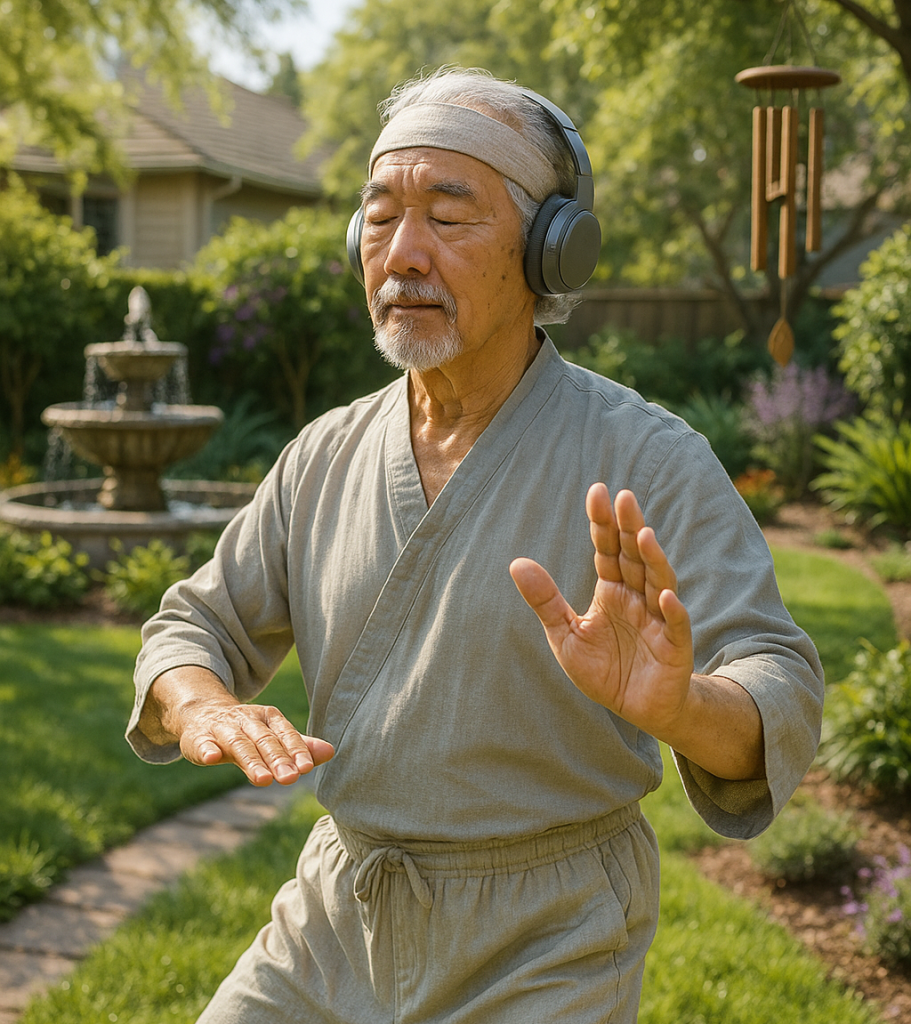
Tai Chi and yoga combine physical movement with mental focus. These activities improve balance, reduce stress, and enhance cognitive function simultaneously.
The concentration required for these practices provides excellent brain training while supporting physical health.
Brain Nutrition for Optimal Mental Health
What we eat directly impacts our cognitive function. I’ve seen remarkable improvements in mental clarity when seniors adopt brain-healthy eating habits.
Essential Nutrients for Fueling Brain Fitness
Omega-3 Fatty Acids
These healthy fats, found in salmon, sardines, walnuts, and flaxseeds, support brain cell structure and function. I recommend including omega-3 rich foods in your diet at least twice weekly. These nutrients help maintain memory and may reduce inflammation in the brain.
Antioxidant-Rich Foods
Blueberries, strawberries, leafy greens, and dark chocolate contain powerful antioxidants that protect brain cells from damage. These foods fight inflammation and may slow cognitive decline.
I encourage seniors to think of colorful fruits and vegetables as brain insurance on their plates.
Whole Grains for Sustained Energy
Your brain needs steady glucose levels to function optimally. Oats, brown rice, quinoa, and whole wheat products provide sustained energy without the peaks and crashes associated with refined sugars.
This steady fuel helps maintain focus and mental clarity throughout the day.
Proper Hydration
Even mild dehydration can impact concentration and memory. Remember to drink water regularly throughout the day. Many older adults don’t realize that their afternoon mental fog might simply be due to inadequate hydration.
The Mediterranean Approach to Brain Fitness
Research consistently shows that Mediterranean style eating patterns support brain fitness for seniors. This approach emphasizes fresh vegetables, fruits, whole grains, lean proteins, and healthy fats. It’s not a restrictive diet but rather a sustainable way of eating that nourishes both body and mind.
Sleep and Stress: Essential Brain Fit Components
Quality sleep and stress management are often overlooked aspects of brain fitness, yet they’re absolutely crucial for cognitive health.
Optimizing Sleep for Brain Health
Establishing Healthy Sleep Patterns
I’ve met with many seniors who struggle with sleep changes. Aiming for 7—9 hours of quality sleep allow your brain to consolidate memories and clear toxins that accumulate during waking hours. Maintaining consistent bedtime and wake-up times helps regulate your body’s internal clock.
Creating a Sleep-Friendly Environment
Your bedroom should be cool, dark, and quiet. I often suggest avoiding screens for at least an hour before bedtime, as blue light can interfere with natural sleep patterns. Instead, try reading, gentle stretching, or listening to calming music.
Managing Stress for Better Brain Fitness
Relaxation Techniques
Chronic stress releases hormones that can damage brain cells over time. Deep breathing exercises, meditation, or guided imagery can help manage stress levels. Even five minutes of focused breathing can make a difference in your mental state and cognitive function.
Finding Joy and Laughter
The importance of humor and enjoyment in maintaining brain fitness can’t be overstated. Laughter reduces stress hormones and releases endorphins that support brain health. Whether it’s watching a comedy or sharing a joke with family or friends—laughter is a powerful tonic when it comes to your brain fitness.
Finding reasons to laugh benefits your cognitive well-being.
Brain Training Using Tech for Mental Agility
Modern technology offers exciting opportunities to stay brain fit from the comfort of home. Don’t worry if you’re not particularly tech-savvy—many tools are designed specifically for seniors.
User-Friendly Brain Training Options
Brain Training Apps
Many smartphone and tablet apps offer games and exercises designed to challenge memory, attention, and problem-solving skills. These programs often adapt to your skill level, providing appropriate challenges without causing frustration.
Popular options include word games, memory challenges, and logic puzzles.
Online Learning Platforms
The internet provides access to countless learning opportunities. You can take virtual tours of museums, art galleries, attend online lectures, or learn new skills through video tutorials.
This variety helps keep your mind engaged and curious.
Balancing Technology with Traditional Activities
While technology offers valuable tools for brain fitness for seniors, I always emphasize balance.
Combining digital activities with traditional pursuits like reading books, playing board games, or engaging in face-to-face conversations provides comprehensive mental stimulation.
Creating Your Personal Brain Fit Routine
Consistency is key to maintaining brain fitness as you age. I recommend all seniors develop sustainable routines that fit their lifestyles and preferences.
“Why not make journaling a part of your daily routine? Documenting the day’s events with a few paragraphs is a great way to organize your thoughts. Not only are you keeping your brain fit but you’re creating something that will be here after you are gone. I can’t imagine a better gift to leave to a child or grandchild.”
Building Daily Brain Fitness Habits
Morning Mental Activation
Start your day with activities that engage your mind.
This might include reading the newspaper, working on a crossword puzzle, or reviewing your daily schedule. These activities help transition your brain from sleep to active thinking.
Midday Challenges
Incorporate mentally stimulating activities throughout your day. This could be as simple as trying a new recipe, calling a friend for a meaningful conversation, or taking a different route during your daily walk.
Evening Reflection
End your day with activities that consolidate learning and memories. Journaling about your day, discussing events with family, or reading before bed all support cognitive health.
Weekly Brain Fitness Goals
Social Connections
Plan regular social activities that challenge your mind. This might include game nights with friends, community volunteer work, or joining clubs that align with your interests.
“Switch up your routine once a week—it sparks new neural pathways!”
Learning Adventures
Dedicate time each week to learning something new.
Whether it’s researching a topic that interests you, practicing a new hobby, or exploring educational content online, continuous learning supports brain fitness.
Physical Activity
Include regular physical exercise in your routine. Even gentle activities like walking or gardening provide cognitive benefits while supporting overall health.
What does a brain-friendly day actually look like? With just a few small habits, you can keep your mind sharp and engaged from morning to night. Here’s a simple routine to get you started:
✅ Your Daily Brain Fitness Routine in 3 Simple Steps
- Morning: Jumpstart your brain with a puzzle, reading, or jot down ‘to-do’ notes.
- Midday: Engage in a social conversation or learn something new, even for 10 minutes.
- Evening: Reflect on your day—write in your journal, read, or relax with music.
Creating a Sustainable Brain Fit Lifestyle
The most successful approach to brain fitness for seniors involves creating a lifestyle that naturally incorporates cognitive challenges and healthy habits.
Personalize Your Approach
Identifying Your Interests
The activities you enjoy most are the ones you’ll stick with long-term. If you love music, focus on musical activities. If you enjoy cooking, experiment with new recipes and cooking techniques.
“When brain fitness activities align with your interests, they become enjoyable rather than burdensome.“
Setting Realistic Goals
I encourage seniors to start small and build gradually. Rather than overwhelming yourself with multiple new activities, choose one or two that appeal to you most. Success builds confidence, which motivates continued effort.
Adapting to Changes
As we age, our abilities and interests may change. A flexible approach to brain fitness allows for adjustments while maintaining cognitive challenges. The key is staying engaged and curious, regardless of how activities might evolve.
Building Support Systems
Family Involvement
Include family members in your brain fitness journey—especially if you’re aging in place within an intergenerational family home. Adult children can provide encouragement, participate in activities, or help with technology challenges.
Grandchildren often enjoy sharing their knowledge and can make learning new things fun and engaging.
Community Resources
Many communities offer programs specifically designed for senior brain fitness. Libraries, community centers, and senior centers often provide classes, discussion groups, and social activities that support cognitive health.
Embracing Brain Fitness for Aging in Place
Staying brain fit as you age is one of the most empowering investments you can make in your future.
The strategies I’ve shared aren’t just theories—they’re practical approaches that have helped countless seniors maintain independence, confidence, and quality of life.
Remember, being brain fit isn’t about achieving perfection or competing with others. It’s about nurturing your cognitive abilities consistently and with purpose.
Every crossword puzzle completed, every new conversation engaged in, and every healthy meal enjoyed contributes to your cognitive resilience.
The journey toward stronger brain fitness begins with just one step.
Whether you start with daily walks, weekly puzzles, or monthly learning adventures, what matters most is simply beginning. Your brain has remarkable plasticity and can form new connections throughout your life.
Final Thoughts
I’ve witnessed the transformation that occurs when seniors commit to staying brain fit.
The confidence that comes from a sharp mind, the independence that cognitive health provides, and the joy of continued learning and growth—these benefits extend far beyond simple memory improvement.
As you start on or continue your brain fitness journey, be patient with yourself. Celebrate small victories, stay curious about the world around you, and remember that taking care of your mind is taking care of your future-self.
Your commitment to staying brain fit today creates the foundation for years of independent, fulfilling living ahead.
Want to keep exploring? Here are some related articles: